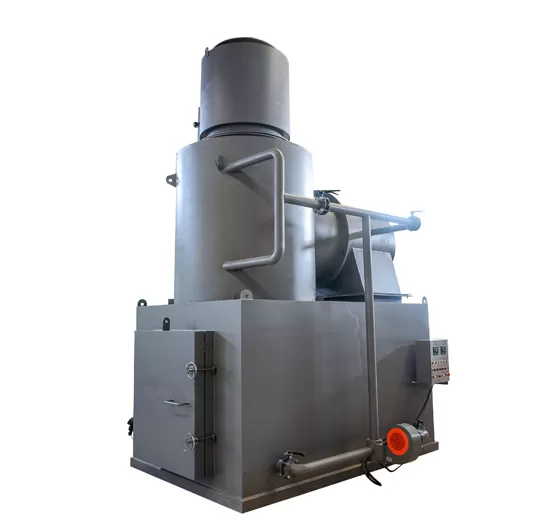
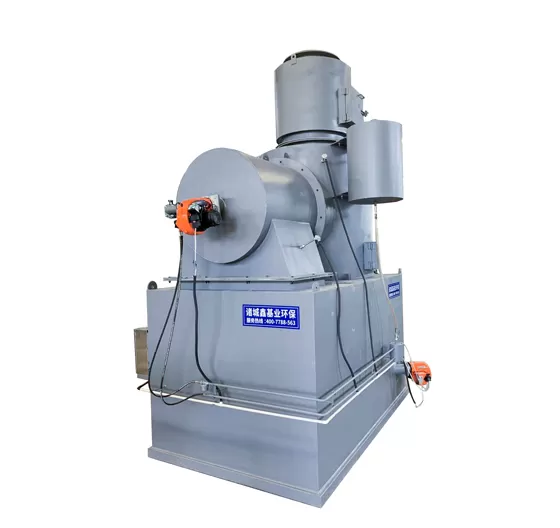
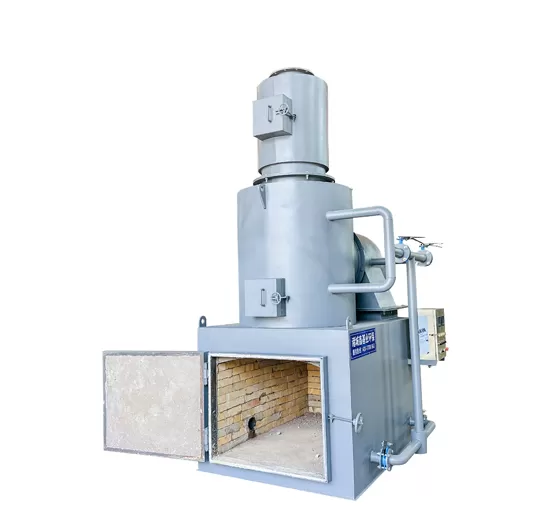
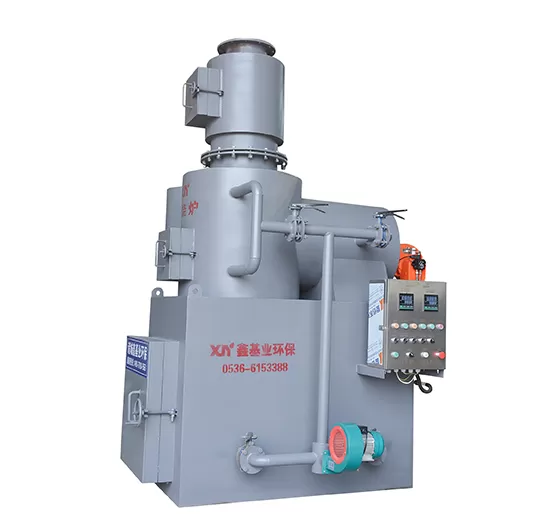
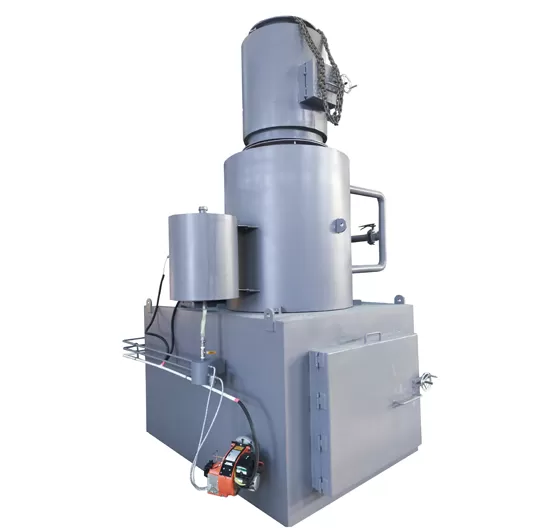
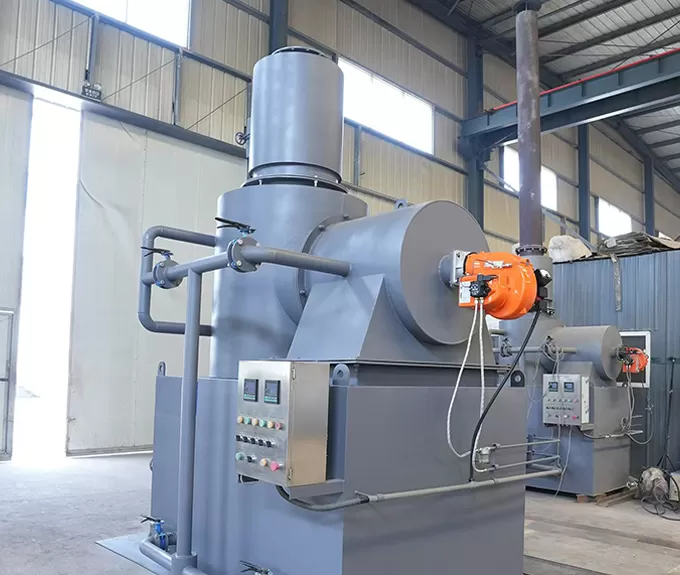
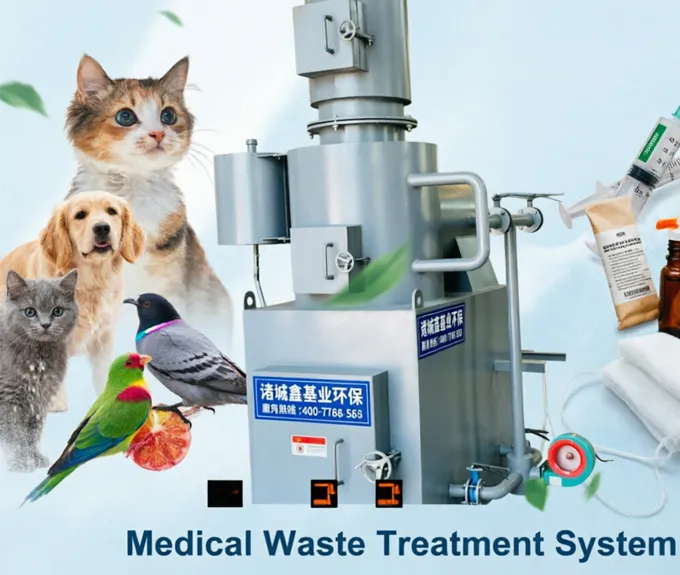
This guide explains what to look for when selecting a supplier, which technical specifications matter most, and why project references should be your number-one decision factor.
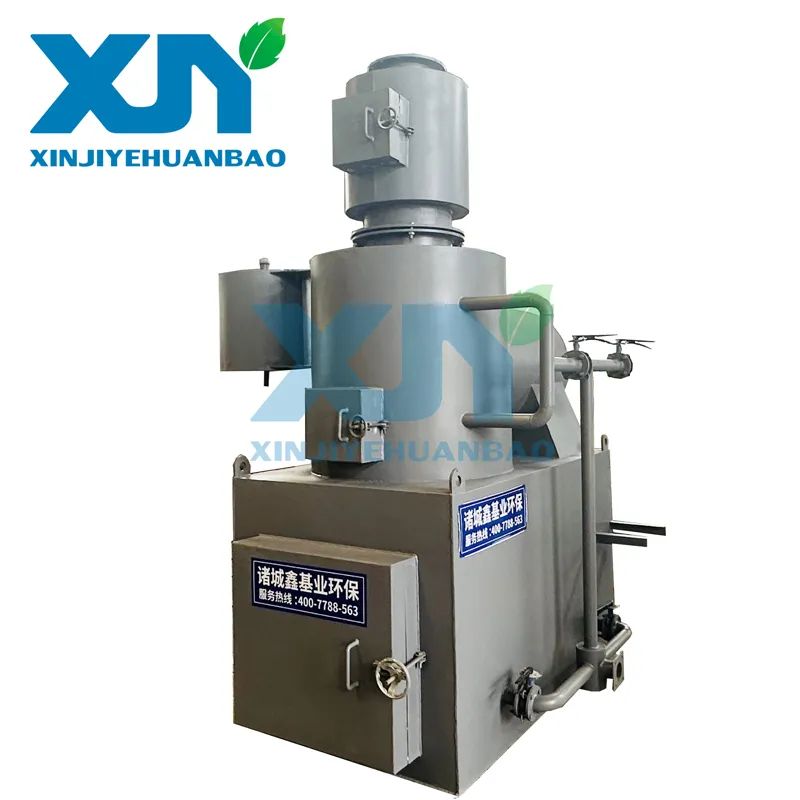
Many small medical facilities face three common problems:
High third-party disposal fees: Contracted hazardous-waste collectors charge per-kilogram fees that rise every year.
Irregular pickup schedules: In remote areas, waste may sit for days, creating cross-infection risks.
Strict environmental rules: Governments worldwide now require documented, compliant disposal of all infectious medical waste.
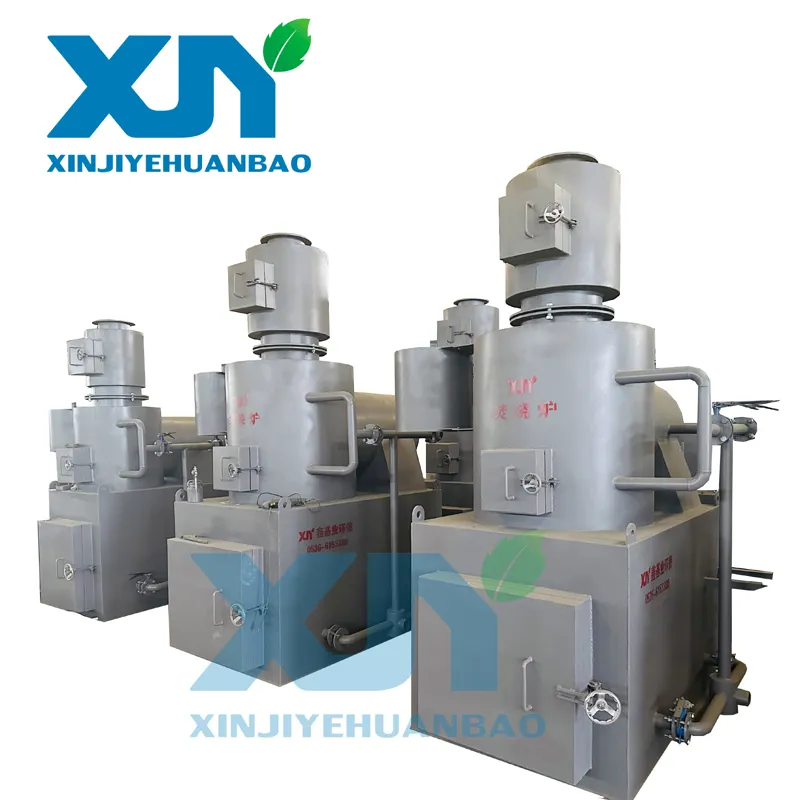
2.1 Dual-Chamber Combustion
A qualified medical incinerator must have two combustion chambers:
Primary chamber: burns raw medical waste
Secondary chamber: keeps temperature above 850℃ (ideally 1050℃) to fully crack harmful gases and kill pathogens
Single-chamber models produce heavy smoke and cannot meet emission standards. Avoid them.
2.2 Complete Flue-Gas Treatment System
The incinerator should include:
Dust removal
Acid gas neutralization
Activated carbon adsorption
Without a full flue-gas kit, the machine will fail local environmental inspections.
2.3 Capacity Matching
Choose capacity based on your daily medical waste volume:
A supplier that tries to sell you an oversized machine without asking your waste volume is not trustworthy.
2.4 Operation Simplicity
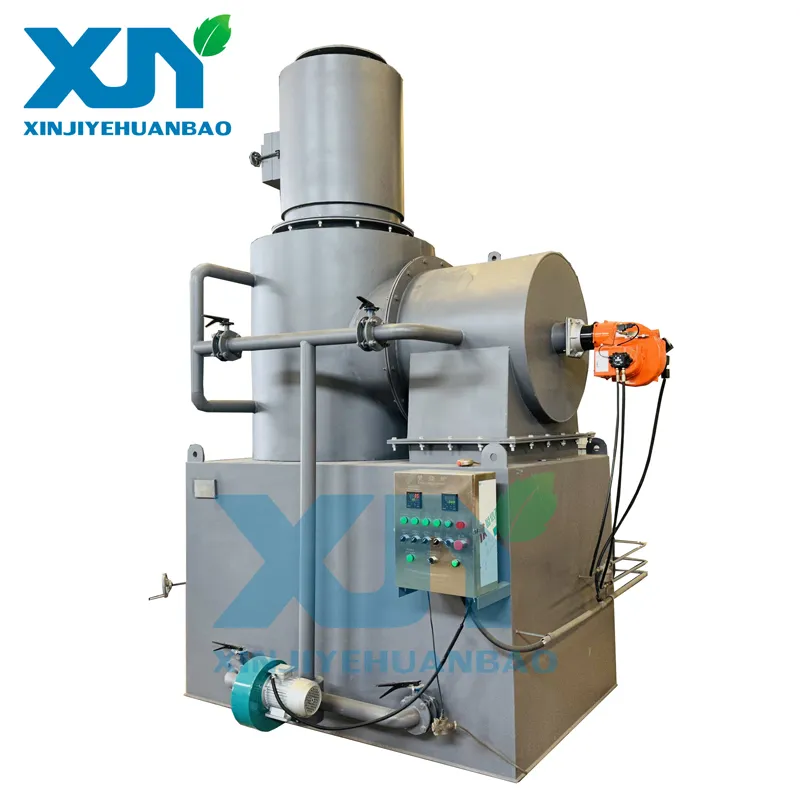
Automatic ignition
Automatic temperature control
Simplified control panel
Clear safety alarms
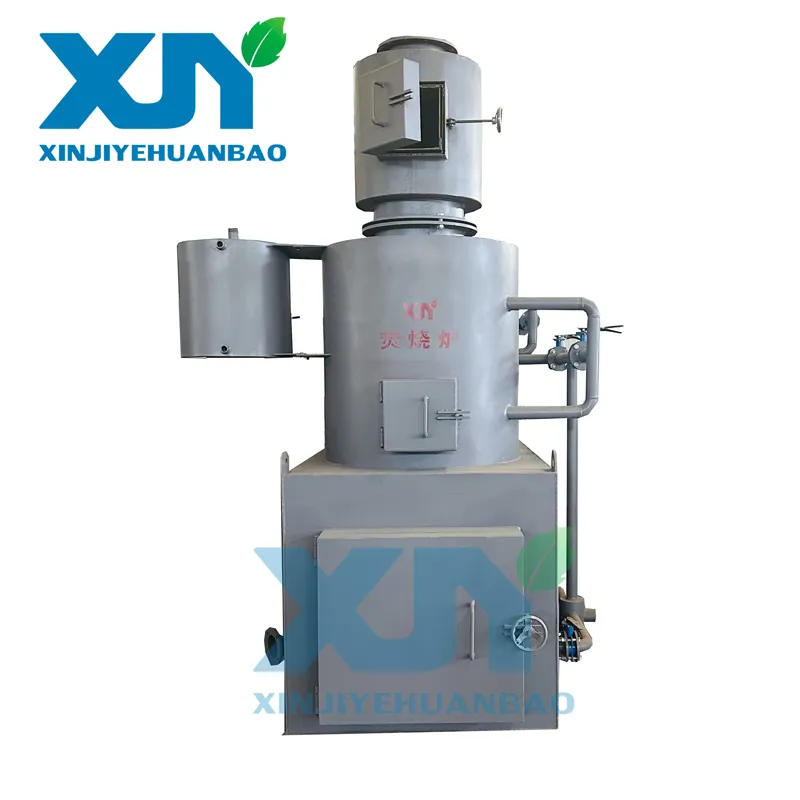
3.1 Real Overseas Project References
Ask for named country projects with photos, not generic stock images. A reliable supplier should be able to show:
Which countries they have exported to
Which type of customer (clinic, hospital, government project)
Which model was delivered
When the project was completed
Our references include: Philippines (private hospital, XJY-100), Congo (regional clinic, XJY-100), Kuwait (private medical center, XJY-100), Zambia (provincial hospital, XJY-500), Namibia (rural clinic, XJY-30).
3.2 Certification & Document Support
For export, the supplier must provide:
CE certificate (where applicable)
ISO 9001 quality certificate
Third-party emission test reports
WHO compliance statement (for aid and government tenders)
Full customs documentation
For specific markets such as Uzbekistan, the supplier should also support GOST-UZ local certification document preparation.
3.3 After-Sales & Spare Parts
Incinerators work in high-temperature environments. Wear parts such as burner nozzles, refractory bricks and thermocouples need replacement over time. A good supplier:
Ships a spare-parts kit with the machine
Provides remote technical guidance
Replies to after-sales questions within 24 hours
Keeps replacement parts in stock for fast dispatch
3.4 Customization Capability
Different markets have different needs:
Central Asia (Uzbekistan, Kazakhstan): requires anti-freezing fuel-line heating and extra furnace insulation for cold winters
Southeast Asia (Philippines, Vietnam): requires anti-corrosion treatment for high humidity
Middle East (Kuwait, Saudi Arabia): requires heat-resistant coatings for extreme summer temperatures
A supplier that offers only one standard model without regional customization will likely cause problems after delivery.
3.5 Transparent Quotation
Main machine price
Flue-gas treatment system (included or extra?)
Spare parts kit
Installation guidance (on-site or remote?)
Shipping terms (FOB/CIF/DDP)
Warranty period
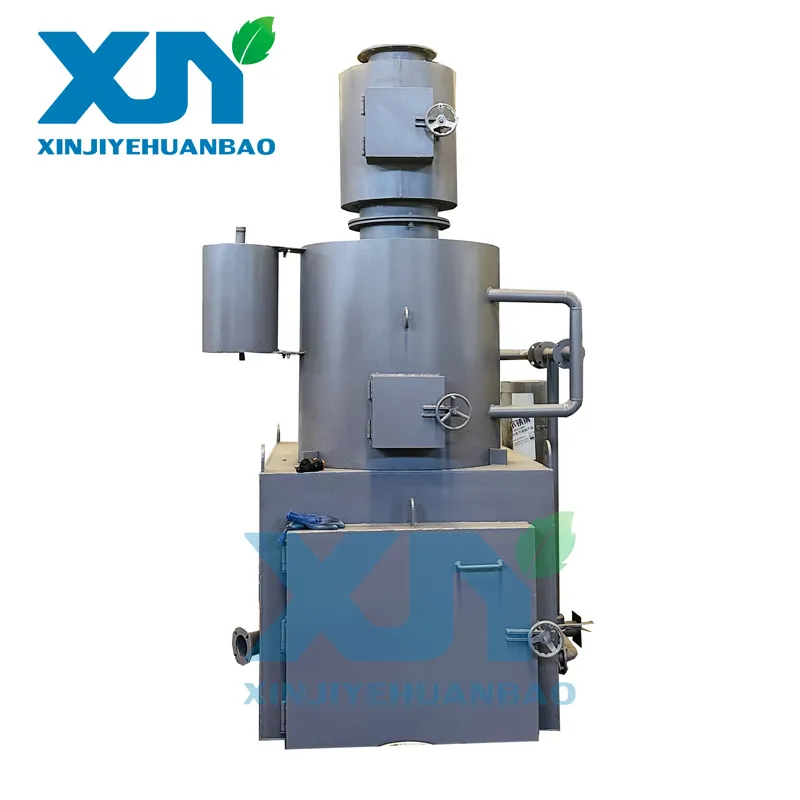
Buying the cheapest single-chamber model — it will fail emission tests and cannot be used legally.
Ignoring flue-gas treatment — many low-price quotes exclude the flue-gas system entirely.
Not checking spare parts availability — a broken burner nozzle can stop the whole machine for months.
Overlooking local certification — CE alone does not guarantee customs clearance in every country.
Choosing capacity based on price, not waste volume — an undersized machine runs overtime and wears out fast.
| Model | Capacity | Best For |
| XJY-30 | 30kg/h | Small clinics, village health stations |
| XJY-50 | 50kg/h | Community health centers, small hospitals |
| XJY-100 | 100kg/h | Private general hospitals, medical groups |
| XJY-300 | 300kg/h | District hospitals, animal carcass disposal |
| XJY-500 | 500kg/h | Provincial hospitals, regional disposal centers |
Dual-chamber high-temperature combustion
Complete flue-gas treatment system
Automatic PLC control
Standard spare-parts kit
Full export documentation
Q: How much does a small medical waste incinerator cost?
A: Prices vary by capacity and configuration. A 30kg/h model with full flue-gas treatment typically starts from around USD 4,500–6,000 FOB. Contact us for an exact quotation based on your waste volume and destination country.
Q: Do I need a professional operator?
A: No. Our XJY series uses fully automatic control. Regular clinic staff can operate the machine after a short training session.
Q: Can you handle installation overseas?
A: We provide detailed installation manuals, video guidance and remote support. For large projects, on-site installation supervision can be arranged.
Q: What is the warranty period?
A: We offer a 12-month warranty from the date of commissioning, with lifetime spare-parts supply.
Q: Can you provide documents for local certification?
A: Yes. We provide CE, ISO, test reports, WHO compliance statements and full technical documentation to support local registration and customs clearance.
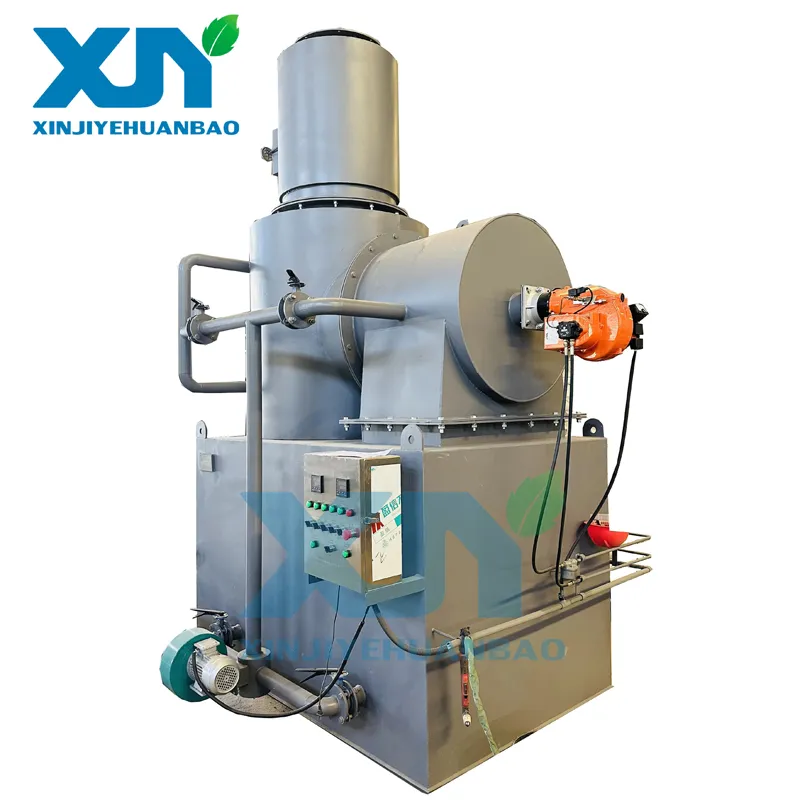
With deliveries to clinics and hospitals across the Philippines, Congo, Kuwait, Zambia, Namibia and more, we have the experience to help your medical facility achieve safe, compliant and cost-effective onsite waste disposal.
PREV
NEXT