Managing waste in a healthcare setting isn't just about cleanliness. It is a critical public health responsibility. Every day, hospitals, clinics, and research labs produce tons of material contaminated with blood, bodily fluids, and dangerous pathogens. If not handled correctly, these substances can leak into the environment or put communities at risk.
This is where high-temperature thermal treatment becomes indispensable. A bio waste incinerator does exactly that — it uses intense heat to neutralize hazardous waste at its source, turning dangerous biological material into harmless ash. For procurement managers and healthcare directors weighing disposal options, the choice often comes down to long-term safety, regulatory compliance, and total cost of ownership. Incineration remains the gold standard for treating certain waste streams because it destroys pathogens completely and reduces waste volume by up to 95 percent.
In this article, we break down what makes a modern incineration system a smart investment, how it differs from alternative treatment methods, and what you should look for when sourcing a reliable unit for your facility.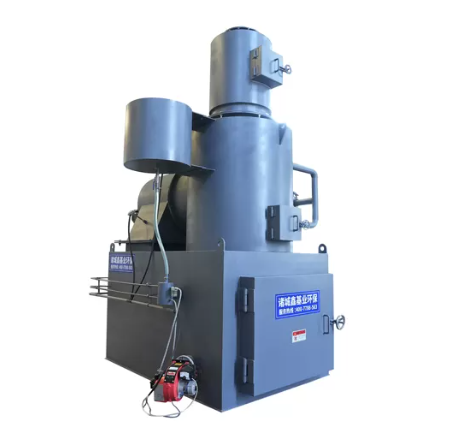
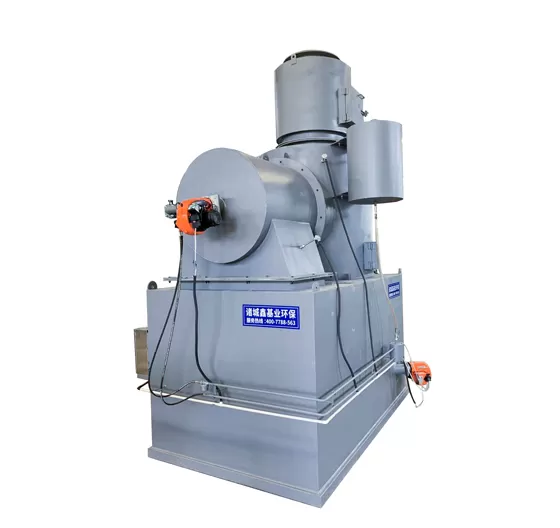
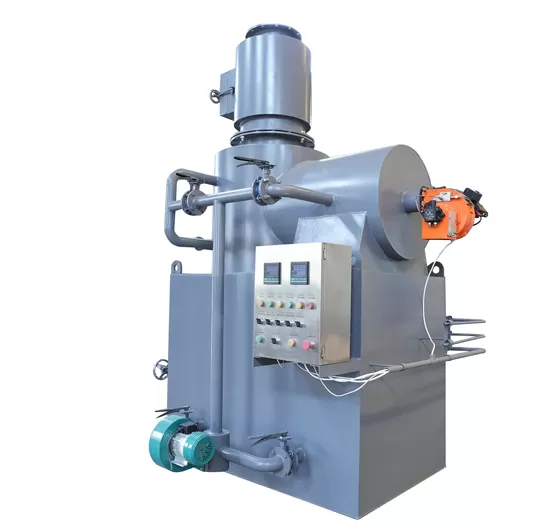
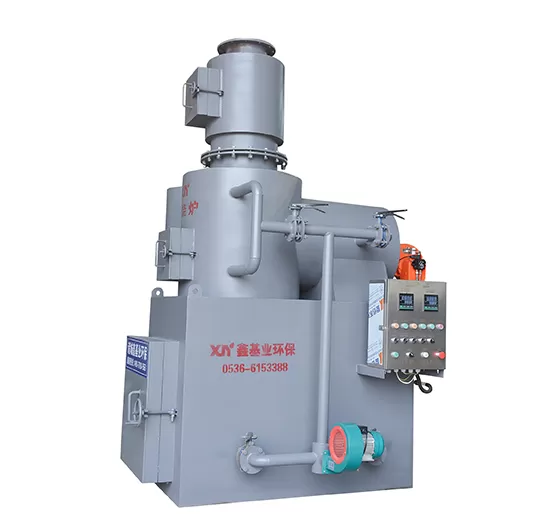
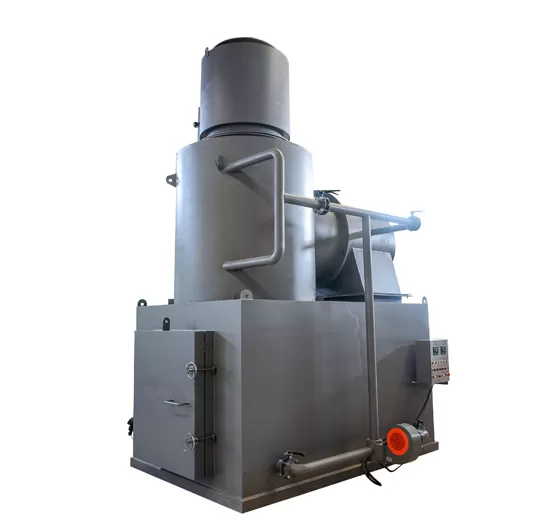
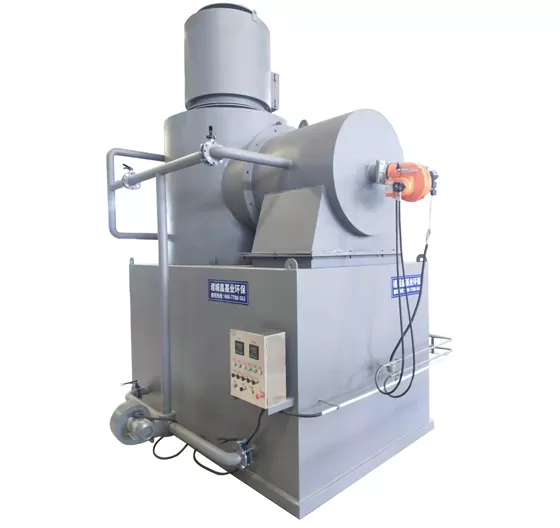
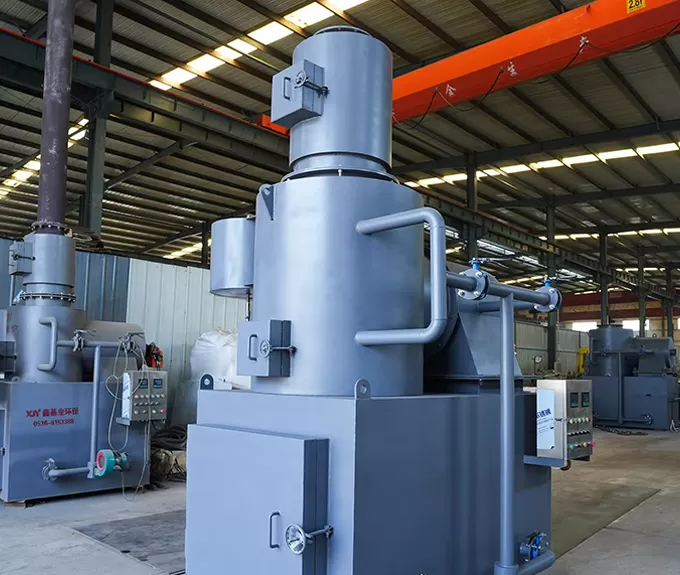
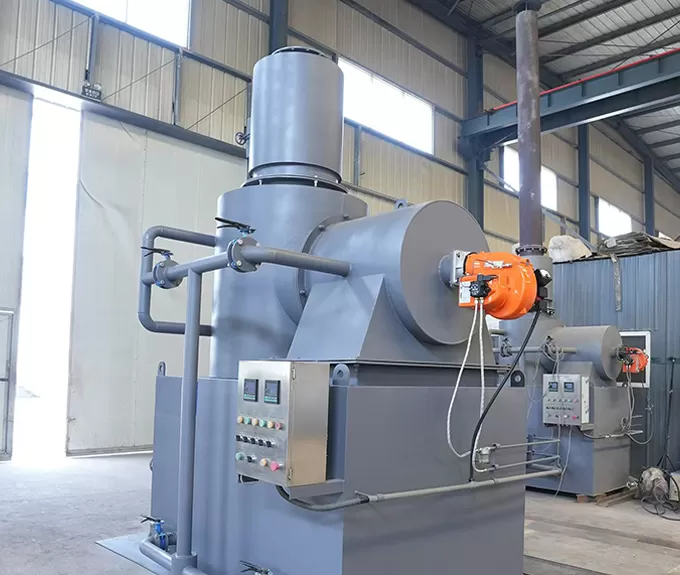
You might think of an incinerator as just a high-tech oven, but the engineering behind a biomedical waste incinerator has evolved significantly. Unlike older, single-chamber designs that simply burned trash, today’s systems rely on a multi-stage thermal process to ensure complete destruction of pathogens and minimize environmental impact.
Most reliable systems operate between 1,800°F and 2,200°F (approximately 980°C to 1,200°C). At these temperatures, harmful organic compounds break down chemically, and infectious agents are destroyed. The process begins with waste segregation and loading. Waste is introduced into a primary combustion chamber, where it burns under controlled air supply. However, the critical step happens next: gases released during the initial burn pass into a secondary chamber. Here, they are exposed to extreme temperatures for a set retention time — typically at least two seconds — which effectively eliminates toxic dioxins and furans before they ever reach the atmosphere.
Rotary kiln designs take this a step further. These systems continuously rotate waste inside the combustion chamber, ensuring uniform exposure to high heat. That makes them especially effective for handling bulky or irregularly shaped medical waste that might not burn evenly in a static chamber. When evaluating equipment, always ask manufacturers about secondary chamber retention times and emission control integration. These two engineering features separate a truly compliant bio medical waste incinerator from cheaper alternatives that could put your permit at risk.
Too often, facility managers focus only on the sticker price of equipment, while overlooking the mounting operational costs of off-site disposal. Transporting infectious waste to a centralized treatment facility comes with recurring, unpredictable expenses: fuel surcharges, third-party hauling fees, and administrative overhead. More importantly, it creates a long chain of custody where your facility could be held liable for spills, accidents, or improper disposal by a contractor.
On-site incineration flips that equation. By treating waste at the point of generation, you eliminate the liability that travels with every truck leaving your facility. One study notes that the volume reduction from incineration leads to a substantial drop in off-site disposal costs, making on-site treatment highly cost-effective, with some systems achieving payback in under one year. Once you account for avoided transport fees and compliance risks, the math often favors owning your own system.
Environmental regulations governing medical waste incineration have tightened considerably. In 2025, the U.S. EPA finalized updated emissions standards for solid waste incineration units, introducing stricter limits on certain air pollutants and revised monitoring and reporting requirements. Other jurisdictions are moving in the same direction. India’s Central Pollution Control Board issued new 2025 guidelines for bio-medical waste treatment facilities that emphasize localized infrastructure planning and enhanced environmental safeguards.
For a healthcare facility, this means one thing: the equipment you purchase today must be designed with tomorrow’s regulatory landscape in mind. A quality manufacturer builds compliance into the system — through multi-stage scrubbing, continuous emission monitoring ports, and documentation packages that support permit applications. When speaking with suppliers, request detailed emissions performance data and references from facilities operating under similar regulatory requirements.
No two healthcare facilities face the same waste management challenge. A rural clinic in an underserved region may generate only 20 to 30 kilograms of infectious waste per day, while a large teaching hospital could produce several hundred kilograms across multiple shifts. The key is matching your system to your actual waste profile without overspending on capacity you don't need or underestimating your daily throughput.
For cost-conscious buyers, here is a general pricing framework based on 2025 market data:
Capacity Range | Suitable For | Estimated Investment (USD) |
Small-scale (10–50 kg/hr) | Rural clinics, dental practices, small labs | 5,000–5,000–25,000 |
Medium-scale (50–200 kg/hr) | District hospitals, veterinary facilities | 30,000–30,000–100,000 |
Large-scale (200+ kg/hr) | University hospitals, central treatment plants | 120,000–120,000–500,000+ |
However, purchase price alone paints an incomplete picture. The table below outlines the factors that meaningfully impact total cost of ownership over a system's operational life:
Decision Factor | What to Evaluate | Impact on Total Cost |
Fuel type (diesel, natural gas, or dual-fuel) | Availability and local fuel pricing | Significant ongoing operational expense |
Emission control system configuration | Scrubbers, filters, and continuous monitoring equipment | Upfront cost increases, but essential for permit compliance |
Automation and control features | Automated feeding, ash removal, temperature logging | Reduces labor hours and improves safety consistency |
Build quality and refractory lining material | Corrosion resistance and thermal insulation design | Determines maintenance frequency and service life |
Supplier support and parts availability | Local technical support, spare parts lead times | Critical for minimizing downtime |
For remote or underserved locations where centralized waste treatment is logistically impractical, a compact on-site incinerator becomes not just a convenience but a necessity. These units protect clinical staff and surrounding communities from exposure risk while eliminating the dangerous practice of open-air burning. In such contexts, diesel-fired models with minimal electricity requirements offer the most practical path to safe disposal.
Alternative technologies like autoclaving and microwave treatment play important roles in medical waste management, but they come with limitations. Autoclaves sterilize waste through steam treatment, rendering it non-infectious while leaving physical material intact — which then requires landfilling. Incineration destroys waste entirely, eliminating it both biologically and physically. For pathological waste, expired pharmaceuticals, and chemical contaminants, thermal destruction remains the only responsible disposal pathway.
Additionally, properly segregated non-infectious waste accounts for a large portion of a hospital's solid waste stream. Incineration's aggressive volume reduction — up to 95 percent — means fewer pickups, less reliance on landfill space, and a simpler overall waste management workflow.
The right system, properly specified and maintained, delivers what every healthcare facility ultimately needs: confidence that hazardous waste has been rendered harmless before it ever leaves the premises.
1. What is the difference between a bio waste incinerator and a bio medical waste incinerator?
Both terms refer to the same type of high-temperature combustion equipment designed to destroy infectious or biologically hazardous waste. “Bio medical waste incinerator” is often used in regulatory and healthcare contexts to emphasize medical-specific compliance, while “bio waste incinerator” may be applied more broadly to cover veterinary, laboratory, and pharmaceutical waste as well. In practice, the underlying technology is largely the same, though units labeled specifically for biomedical applications are typically engineered to meet stricter emission standards.
2. Is on-site incineration better than off-site treatment?
On-site incineration eliminates the costs, logistics, and liability associated with transporting infectious waste to third-party treatment facilities. It reduces waste volume by up to 95 percent and allows the facility to maintain full control over its disposal chain of custody. For hospitals in remote regions or those handling high volumes of pathological and pharmaceutical waste, on-site treatment is usually the more practical and cost-effective choice over the long term.
3. What regulations apply to bio medical waste incinerators in 2025?
Regulations vary by jurisdiction, but major updates have taken effect. The U.S. EPA finalized revised emission standards for solid waste incineration units in mid-2025, affecting monitoring and reporting requirements. India’s CPCB issued updated guidelines for bio-medical waste treatment facilities in April 2025, emphasizing localized planning and stricter sharps handling protocols. Facilities should consult local environmental agencies and confirm that any equipment under consideration meets the applicable standards.
4. Can a biomedical waste incinerator handle all types of hospital waste?
Not all hospital waste requires incineration. Items like uncontaminated packaging, office waste, and certain recyclable materials should be segregated and processed separately. Incineration is designed for waste that poses an infection risk or cannot be safely treated by other means — including pathological waste, contaminated sharps, blood-soaked materials, expired pharmaceuticals, and chemical waste. Proper segregation at the source is essential for both operational efficiency and regulatory compliance.
5. How often should a biomedical waste incinerator be serviced, and what does routine maintenance involve?
Regular servicing is essential for both safety and compliance. Most manufacturers recommend a comprehensive inspection at least every 6 to 12 months, though daily visual checks and weekly cleaning routines make a significant difference in reliability. Routine maintenance typically covers refractory lining inspection, burner nozzle cleaning, thermocouple calibration, and removal of ash buildup. The secondary chamber and emission control components, such as scrubbers and filters, demand particularly close attention. A well-maintained unit can last 15 years or more, whereas skipping scheduled service often leads to early refractory failure and costly repairs.