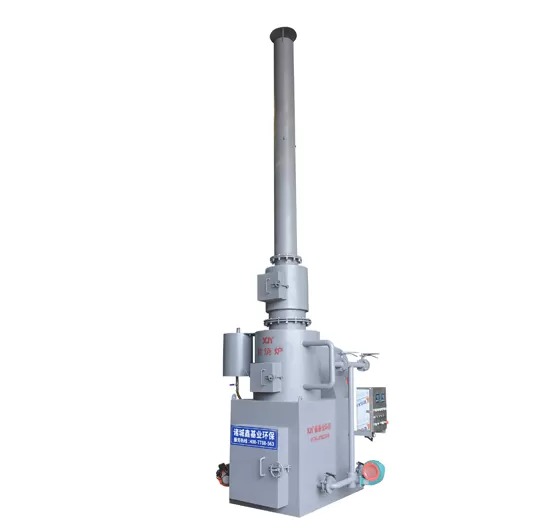
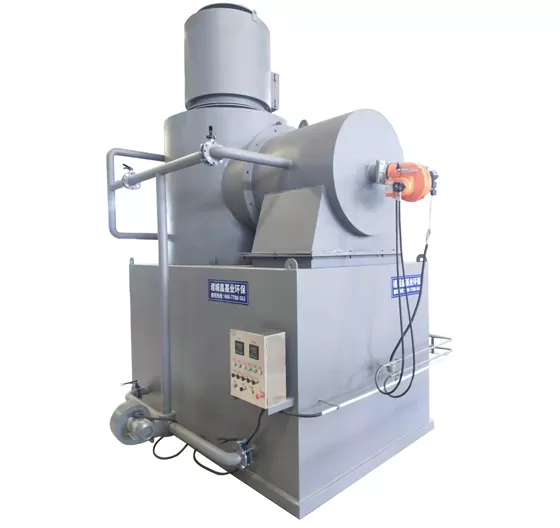
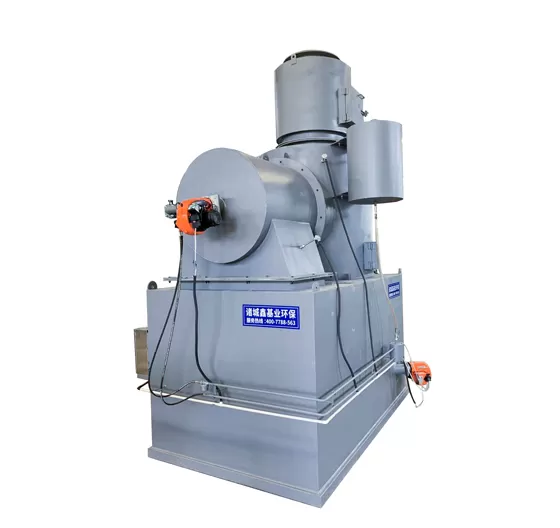
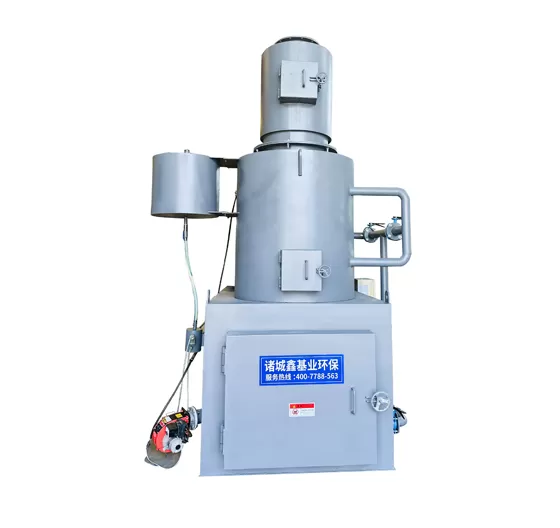
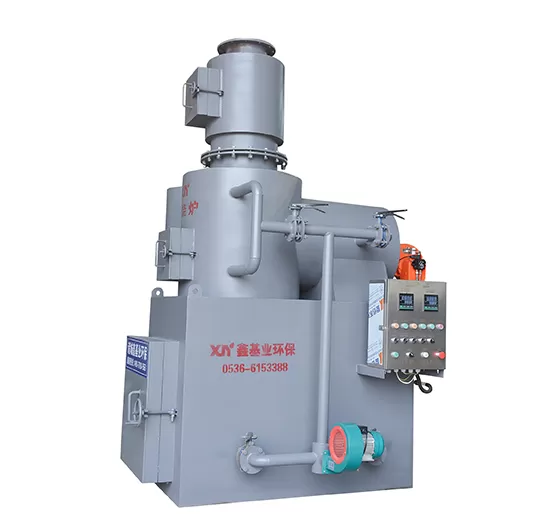
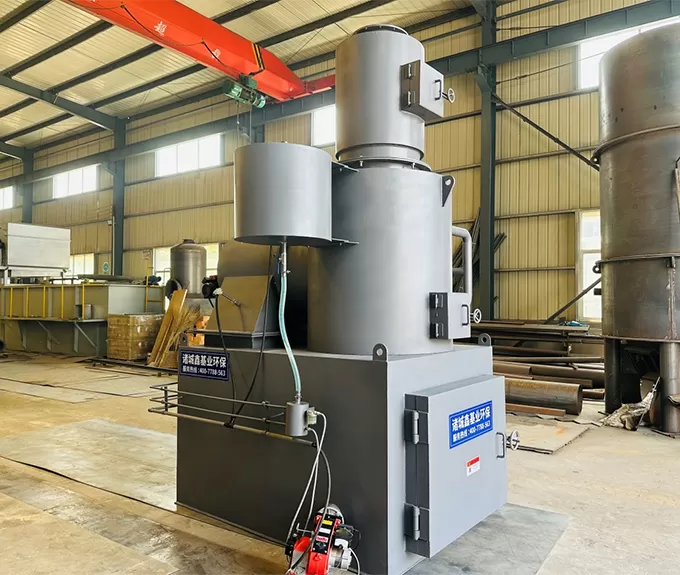
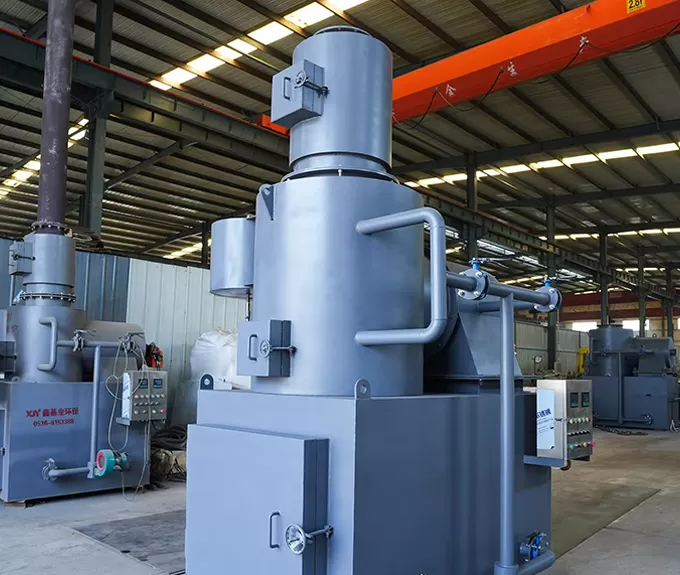
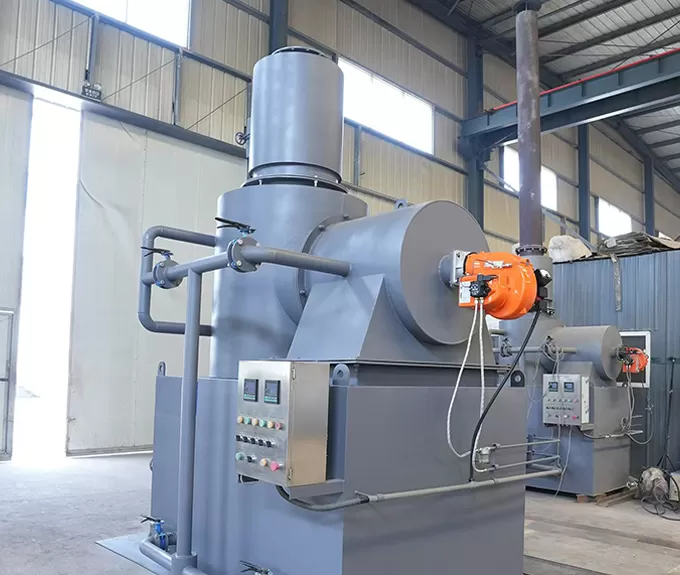
Waste doesn't wait for convenient timing. Whether you're running a remote construction camp, managing a veterinary practice, or responding to a disease outbreak on a farm, the problem is always the same — piles of material that can't sit around, and no practical way to get rid of them. A small portable incinerator solves that problem right at the source.
These units have come a long way from the smoky, inefficient burners people sometimes picture. Today's compact incinerator designs combine dual-chamber combustion, clean emissions, and straightforward operation in a footprint you can move where you need it. If you have waste building up and infrastructure that isn't cooperating, here's why a portable incinerator might be exactly what you're looking for.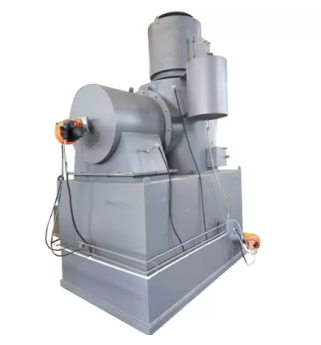
Most operations handle waste the old-fashioned way: collect it, store it, and pay someone to truck it elsewhere. That model has serious cracks in it.
Consider a veterinary clinic in a rural county. Every week, biological waste gets bagged, stored in a freezer or locked bin, and eventually picked up by a licensed hauler. The hauling contract runs year-round, pickup schedules don't always align with volume, and storage space gets tight fast. During disease outbreaks — avian influenza comes to mind — the whole system can collapse because infected material shouldn’t be transported at all. On-site disposal with a small portable incinerator eliminates the transport risk entirely while cutting recurring hauling costs.
The same logic applies to humanitarian camps, mining exploration sites, military outposts, and island resorts. When the nearest landfill is hours away or doesn't exist, a compact incinerator transforms waste management from a logistical headache into a controlled, on-demand process. Localized incineration reduces waste volume by up to 95%, eliminates transportation needs, and improves public health through pathogen destruction — all from a unit that takes up minimal space.
Small portable incinerators serve far more industries than most people realize. Here's where they show up:
Agriculture and Livestock Operations — Fallen stock, poultry mortality, and slaughterhouse byproducts need prompt disposal. A compact incinerator lets farms handle this on-site without risking groundwater contamination from burial or drawing scavengers to uncovered waste. Some farming cooperatives even share a trailer-mounted unit across multiple properties, splitting both the purchase cost and the operational schedule.
Remote Camps and Worksites — Mining camps, oil field operations, and construction projects in isolated areas generate daily waste streams with zero municipal infrastructure. A portable incinerator mounted on a trailer or packed in a container arrives ready to burn — no construction, no foundation, just fuel it and start the cycle. These units are designed to function in harsh climates, with corrosion-resistant coatings and sturdy refractory linings that endure repeated high-temperature use.
Disaster Relief and Humanitarian Response — When infrastructure gets wiped out, waste piles up fast. Medical supplies, PPE, contaminated clothing, and general refuse all create secondary health crises if left unmanaged. Portable incinerators can be deployed to disaster zones within hours, destroying hazardous material before disease vectors take hold. Governments have used these units during disease outbreaks when infected livestock needed immediate, biosecure disposal, and during relief hospital deployments where medical waste couldn't wait for collection services.
Medical and Veterinary Clinics — Small hospitals, rural health posts, immunization campaigns, and veterinary practices produce sharps, contaminated dressings, pharmaceutical waste, and biological material. Off-site transport introduces chain-of-custody risks. A small portable incinerator destroys waste at the point of generation, closing the liability loop.
Military and Peacekeeping Operations — Forward operating bases and temporary deployments can't depend on civilian waste infrastructure. Containerized incineration units provide self-contained disposal that moves with the mission.
If you haven't shopped for an incinerator in a while, the technology has shifted significantly. Here's what separates today's units from older equipment:
Dual-Chamber Combustion — This is the single most important feature to understand. Waste burns in the primary chamber at roughly 800°C to 1,000°C. The smoke and gases then pass into a secondary chamber (sometimes called an afterburner) that operates at 1,000°C to 1,200°C with a gas retention time of around two seconds. That second burn destroys dioxins, furans, and other hazardous compounds before anything exits the stack. The result is clean combustion that meets environmental standards — not the black smoke people associate with older incinerators.
Flexible Fuel Options — Most small portable incinerators run on diesel, but many models also accept natural gas or LPG, giving operators flexibility based on what's available locally. Fuel consumption on a mid-sized unit typically ranges from about 7 to 11 liters per hour, depending on the model and waste type.
Portability Without Sacrifice — Trailer-mounted and containerized configurations mean the unit arrives fully assembled. A mid-sized system can ship in a standard 20-foot container, pre-wired and ready to operate. For farm or veterinary use, top-loading designs simplify the loading process, while side-access ash doors make cleanup straightforward.
Safety Built In — Look for automatic burner shutoff when the loading door opens, thermostatic controls that prevent overheating, and corrosion-resistant steel construction rated for sustained high-temperature duty. These aren't accessories — they're standard on any professionally engineered unit.
The global market reflects growing demand. One research firm estimates the small waste incinerator segment (units processing up to 200 tons per day) was valued at roughly 158 million in 2025, with projections reaching 158 million in 2025, with projections reaching 241 million by 2032 — a compound annual growth rate of about 6.3%. Another analysis of the portable incinerator market specifically projects a CAGR of 4.4% through 2035, driven largely by expanding waste management requirements and tightening environmental regulations.
The table below gives a practical framework for evaluating different models. Numbers vary by manufacturer and waste type, but these ranges represent what you’ll find in the current market.
Specification | Entry-Level | Mid-Range | Heavy-Duty |
Burn Rate | 10–30 kg/hr | 50–100 kg/hr | 150–500+ kg/hr |
Primary Chamber Temp | 800–1,000°C | 850–1,100°C | 900–1,200°C |
Secondary Chamber Temp | 1,000–1,100°C | 1,000–1,200°C | 1,100–1,300°C |
Fuel Consumption | 4–8 L/hr (diesel) | 7–15 L/hr (diesel) | 17–36 kg/hr (diesel) |
Typical Weight | 150–500 kg | 1,200–2,500 kg | 4,000–6,000 kg |
External Dimensions | 1.2m × 0.7m × 1.5m | 1.7m × 1.4m × 1.6m | 2.6m × 1.5m × 1.8m |
Mobility | Wheel-mounted or light trailer | Trailer or skid-mounted | 20-ft container or heavy trailer |
Data compiled from manufacturer specifications and industry listings (see References). Actual figures depend on waste calorific value, fuel quality, atmospheric conditions, and operating practices.
Regulations aren't a side note — they determine whether you can legally operate the equipment. In the United States, the EPA finalized updated standards in mid-2025 for Other Solid Waste Incineration (OSWI) units under the Clean Air Act, with the new performance standards taking effect on December 29, 2025. These rules apply to very small municipal waste combustors and institutional incinerators, setting stricter emission limits for particulate matter, carbon monoxide, dioxins/furans, and several metals.
What does this mean for a buyer? Choose equipment that's engineered to meet or exceed current emission standards. A dual-chamber system with sufficient secondary chamber temperature and gas retention time (at least 850°C for 2 seconds is a common benchmark for dioxin destruction) puts you in compliance territory from day one.
Local and state regulations may impose additional permitting or operating requirements. Always check with your environmental authority before purchase. The right manufacturer can help you navigate this — and if they can‘t speak knowledgeably about the regs that apply to your region, consider that a red flag.
Operating cost varies by fuel price, waste volume, and burn frequency, but some numbers help frame expectations:
Diesel fuel consumption for a compact incinerator handling roughly 50 kg per hour of mixed waste typically lands in the 7–15 liters per hour range. At current diesel prices, that's a manageable per-hour operating expense when measured against hauling contracts that can run hundreds or thousands of dollars monthly.
Electricity consumption is minimal — a small unit might draw only 0.35 to 0.55 kW for its control panel and blower.
Maintenance centers on periodic refractory inspection, burner nozzle cleaning, and ash removal. These are straightforward tasks that most operators handle in-house.
The real savings come from what you stop paying for: transportation contracts, storage infrastructure, off-site treatment fees, and the administrative overhead of managing third-party waste vendors.
Before contacting a supplier, get clear on these points:
1. Waste type — Medical, animal, municipal solid waste, or mixed? Different waste streams need different combustion profiles.
2. Daily volume — Be honest about peak loads. Undersizing creates bottlenecks; moderate oversizing gives you operational flexibility.
3. Mobility requirements — Does the unit stay put, move between sites on a trailer, or ship in a container?
4. Fuel availability — What's accessible and affordable at your site? Diesel is the most common, but natural gas and LPG options exist.
5. Regulatory environment — What emission standards apply? What permits are required? Get these answers before you write a check.
6. Operator training — Modern units with PLC controls are user-friendly, but staff still need basic training on loading procedures, temperature monitoring, and safety protocols.
A small portable incinerator isn't for every situation, but for operations that struggle with remote waste disposal, biosecurity risks, or excessive hauling costs, it's a practical, proven solution. The technology has matured. The combustion is cleaner. The deployment is faster. And the economics — when you factor in what you stop spending on transport and third-party treatment — often make more sense than the status quo.
If waste is piling up and your current approach isn't cutting it, it's worth taking a closer look at what a compact incinerator can do. At Xinyeji Environmental Equipment (xjyincinerator.com), we build portable incineration systems designed for the real world — reliable combustion, straightforward operation, and compliance with the regulations that matter to your operation.
Q: What types of waste can a small portable incinerator handle?
A: These units process medical waste, animal carcasses, agricultural byproducts, general solid waste, and contaminated materials. The specific waste streams a given model can handle depend on its combustion chamber design and temperature range. Always confirm with the manufacturer that your waste type is within the unit's rated capacity.
Q: How much does a compact incinerator reduce waste volume?
A: Small-scale incineration typically reduces waste volume by 90–95%, converting the majority of organic material to sterile ash. What’s left takes up a fraction of the original space and is safe for conventional disposal.
Q: Do I need a special permit to operate a portable incinerator?
A: In most jurisdictions, yes. In the U.S., small incinerators fall under EPA's OSWI regulations, and state or local environmental agencies may impose additional requirements. Permitting often involves demonstrating that your equipment meets specified emission limits and that operating procedures are documented.
Q: What’s the difference between single-chamber and dual-chamber incinerators?
A: Single-chamber units burn waste in one stage and generally produce more visible emissions. Dual-chamber systems pass combustion gases through a secondary chamber heated to 1,000°C or higher, destroying dioxins, furans, and other hazardous compounds before they exit the stack. For any application involving medical, animal, or regulated waste, dual-chamber is the standard.
Q: How portable are these incinerators really?
A: That depends on the model. Smaller units weigh under 200 kg and come with wheels, making them movable by one or two people. Mid-range systems mount on road-legal trailers and can be towed between sites. Containerized units ship in standard ISO containers and deploy wherever a truck can deliver them. The key point is that none of these require permanent foundations or fixed infrastructure.