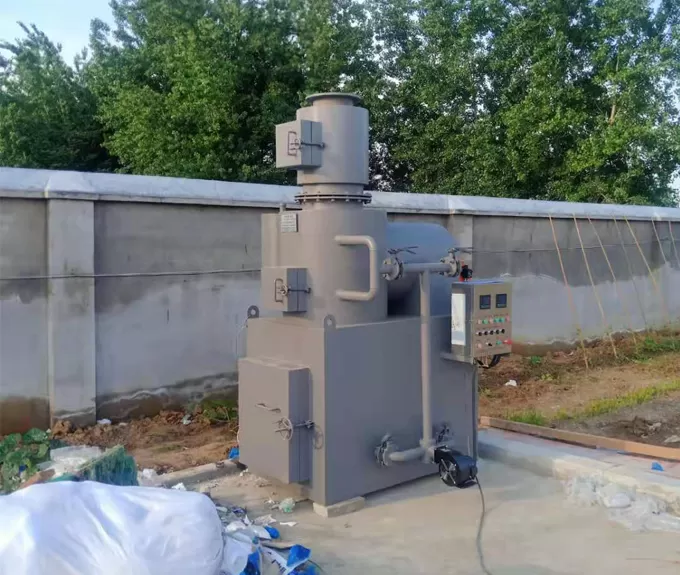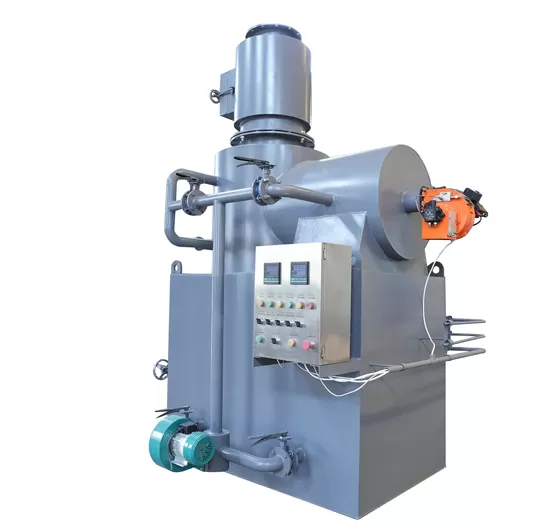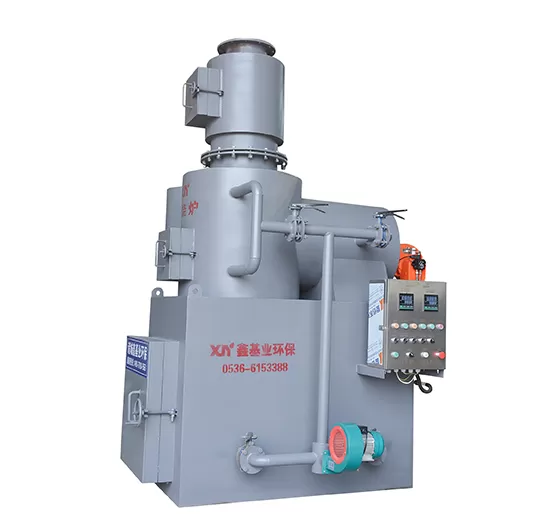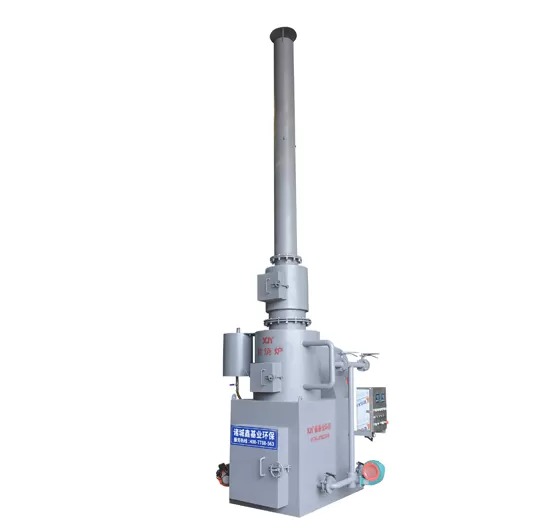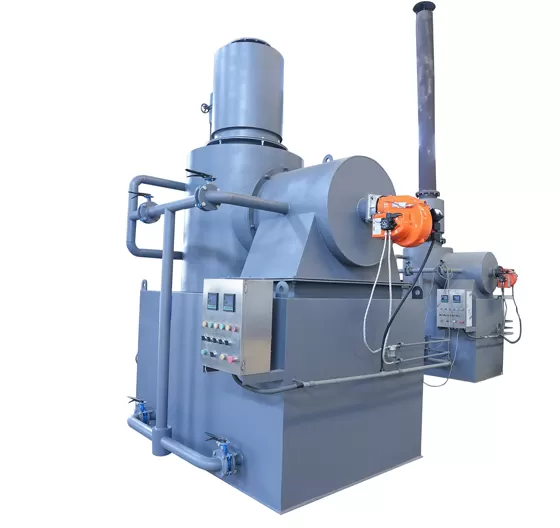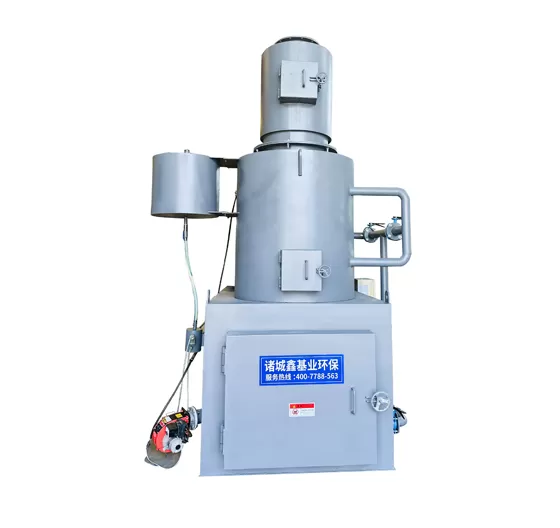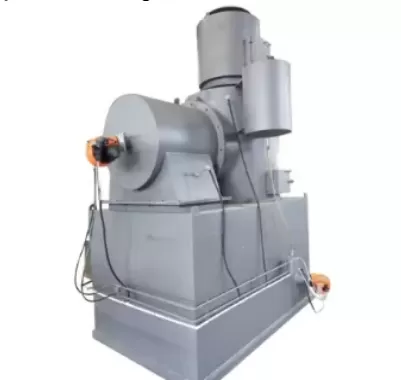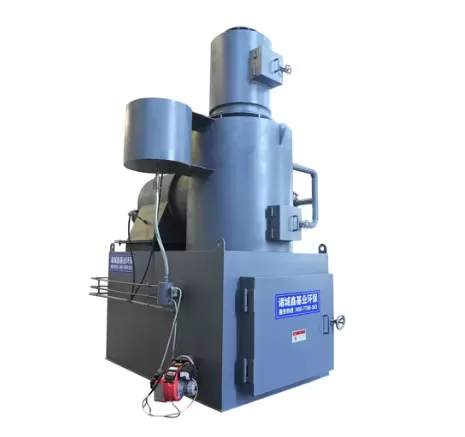


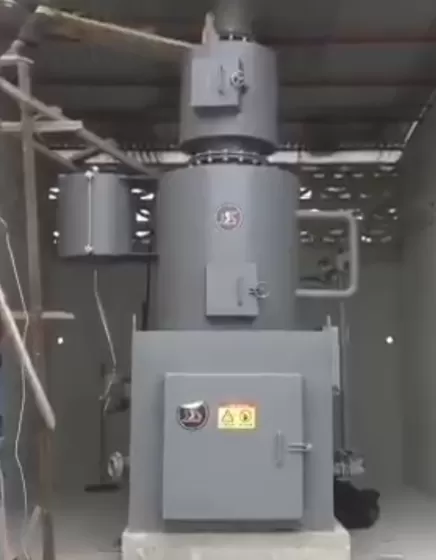
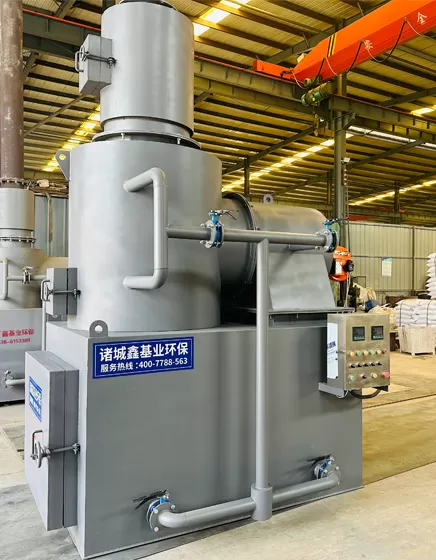

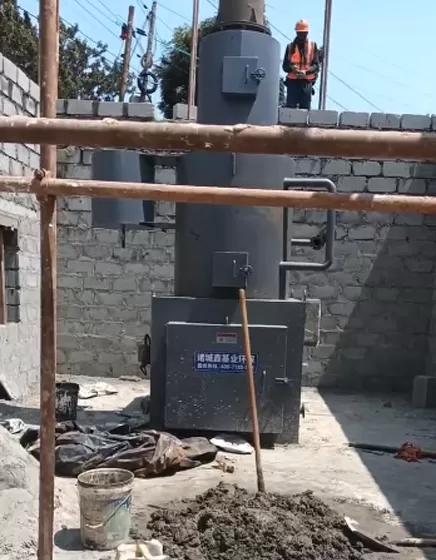
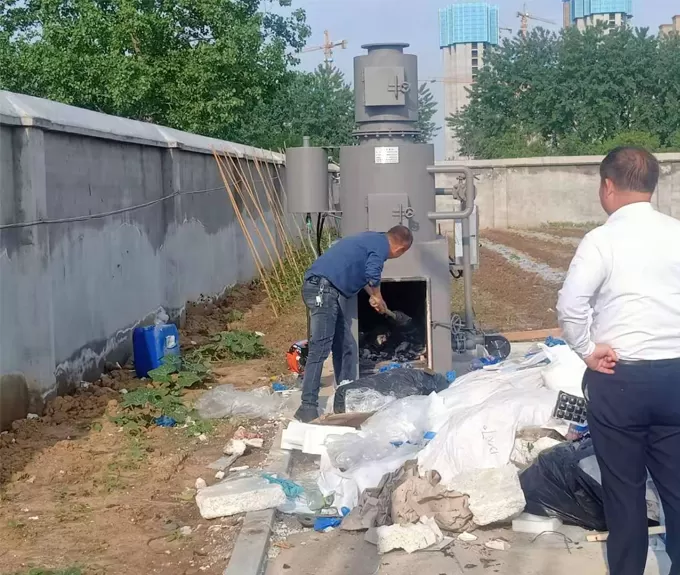
Domestic waste incinerators can be an effective waste management solution when done correctly. To ensure safety, efficiency, and environmental compliance while using a household waste incinerator, follow these best practices:
1. Proper Waste Segregation
Only burn non-recyclable, dry waste (paper, cardboard, untreated wood).
Avoid plastics, batteries, chemicals, or hazardous materials — these release toxic fumes.
Separate wet/organic waste (food scraps) for composting instead of burning.
2. Optimal Combustion Conditions
Maintain temperatures above 850°C (1562°F) to ensure complete combustion and minimize harmful emissions.
Use a secondary combustion chamber (if available) to burn off remaining smoke and particulates.
3. Emission Control & Environmental Safety
Install a basic scrubber or filter (even in small incinerators) to reduce smoke and ash particles.
Avoid burning on windy days to prevent airborne pollution.
Dispose of ash safely (cool completely, then bag for landfill).
4. Location & Ventilation
Place the incinerator away from buildings, trees, and flammable materials.
Ensure proper airflow—poor oxygen supply leads to incomplete burning and excess smoke.
5. Maintenance & Monitoring
Clean the combustion chamber regularly to prevent residue buildup.
Check for corrosion or damage, especially in metal incinerators.
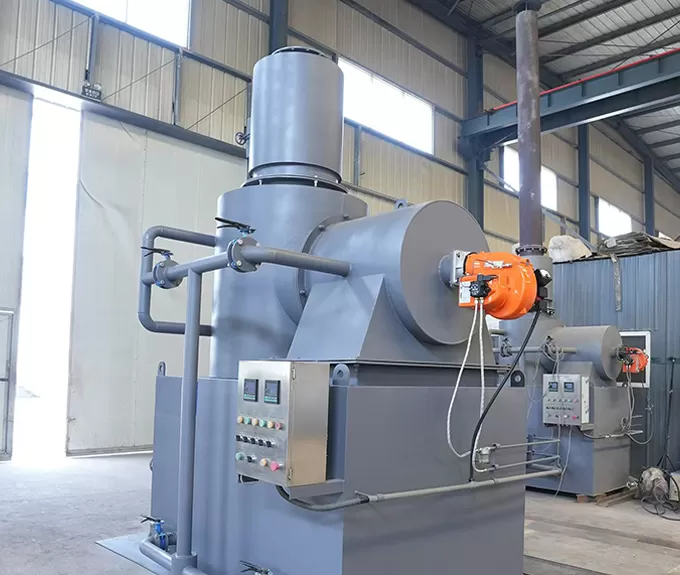
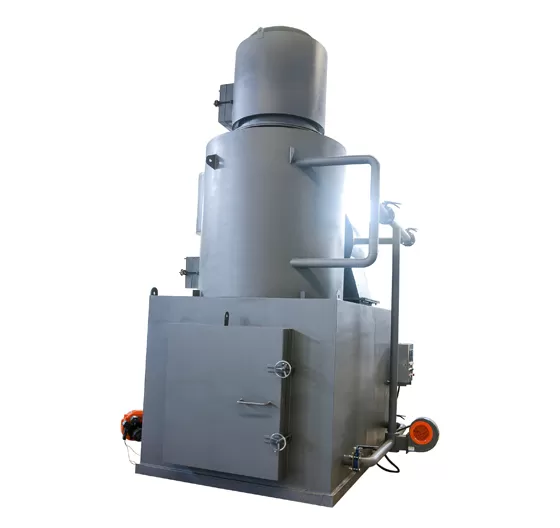
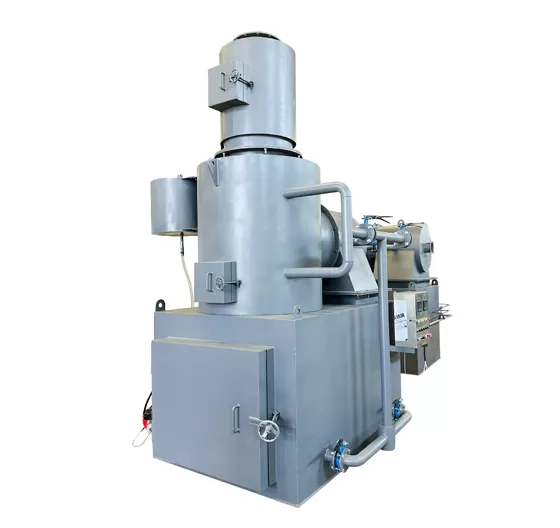
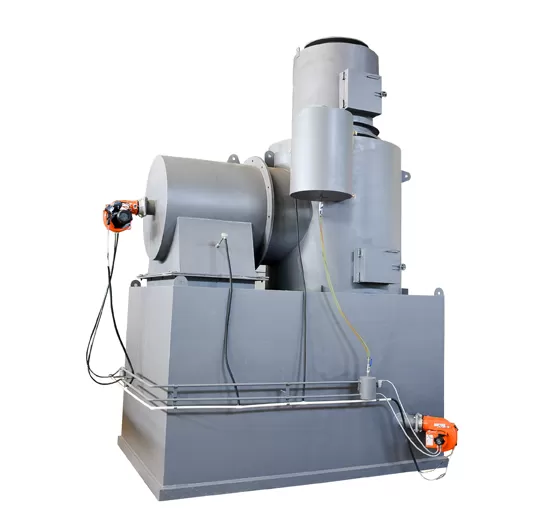
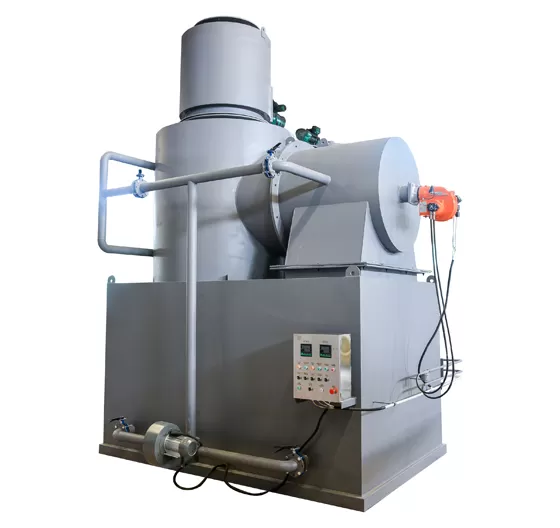
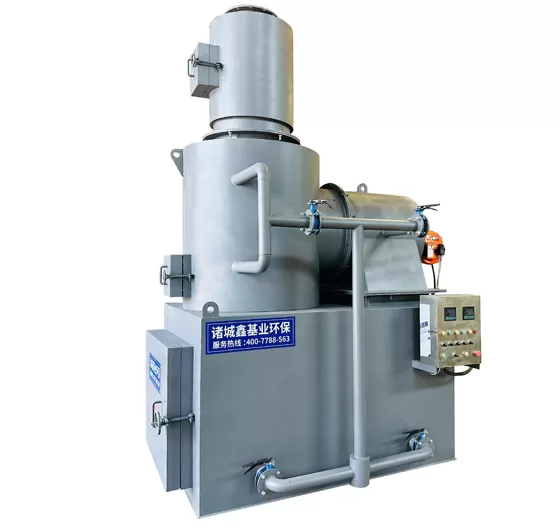
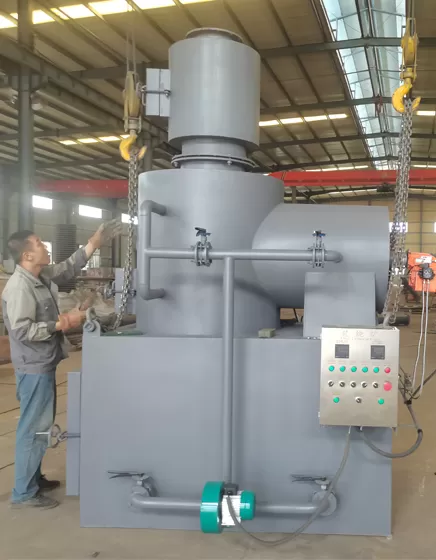
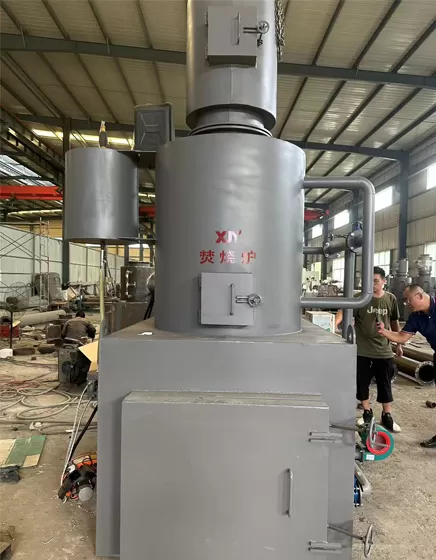
Our compact and eco-friendly domestic waste incinerator is designed to handle household waste safely and sustainably. Unlike traditional burning methods, our trash/waste incinerator for home ensures complete combustion, minimizing harmful emissions while maximizing efficiency. Upgrade to a smarter way of waste management — choose our high-performance trash/waste incinerator for your home.