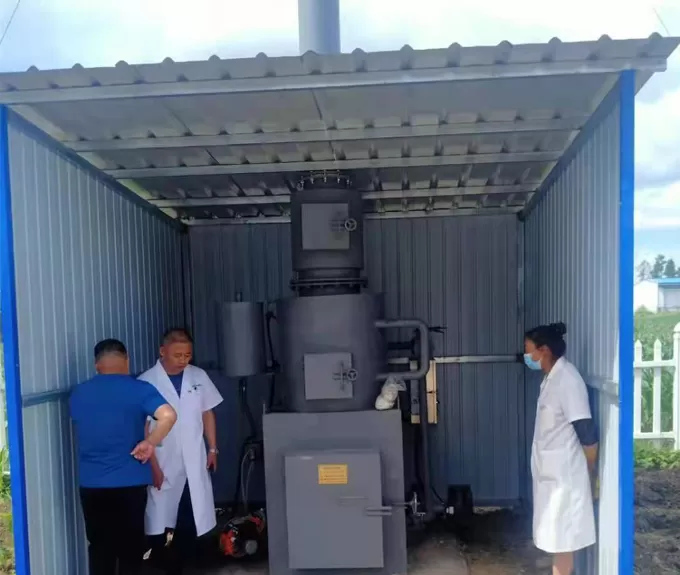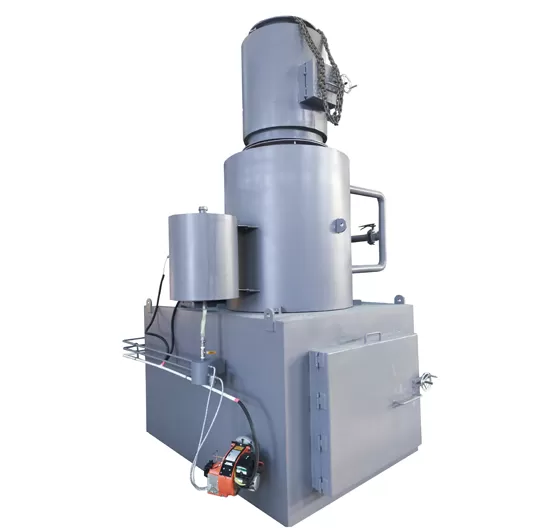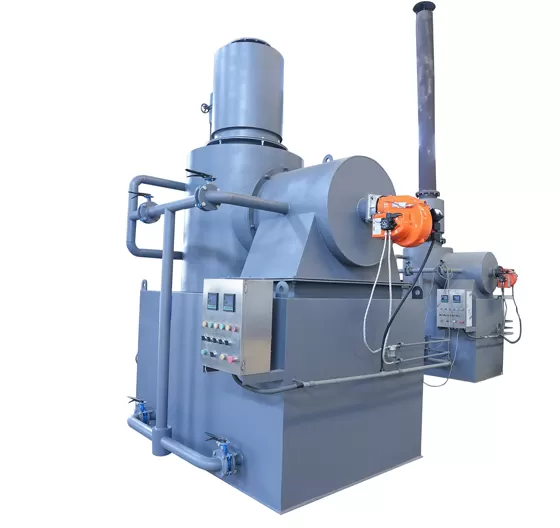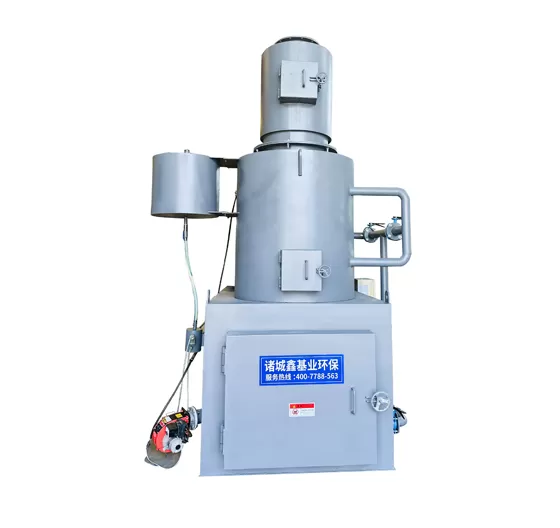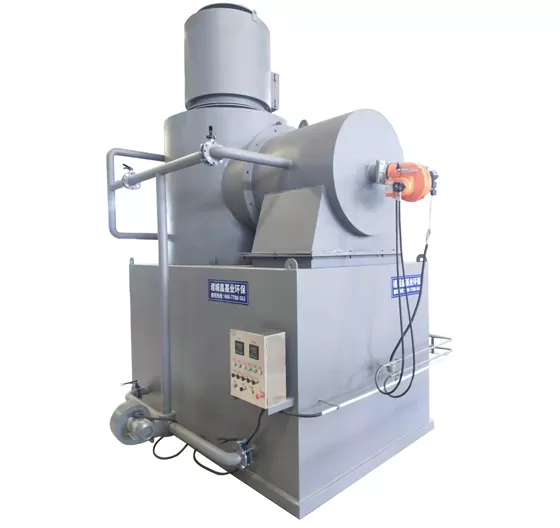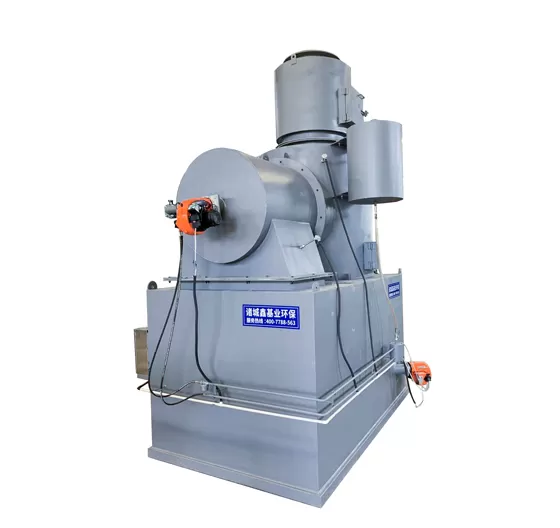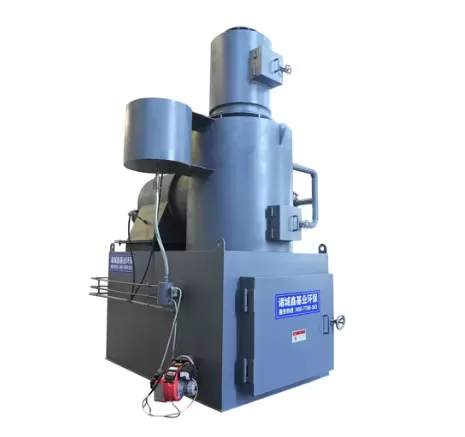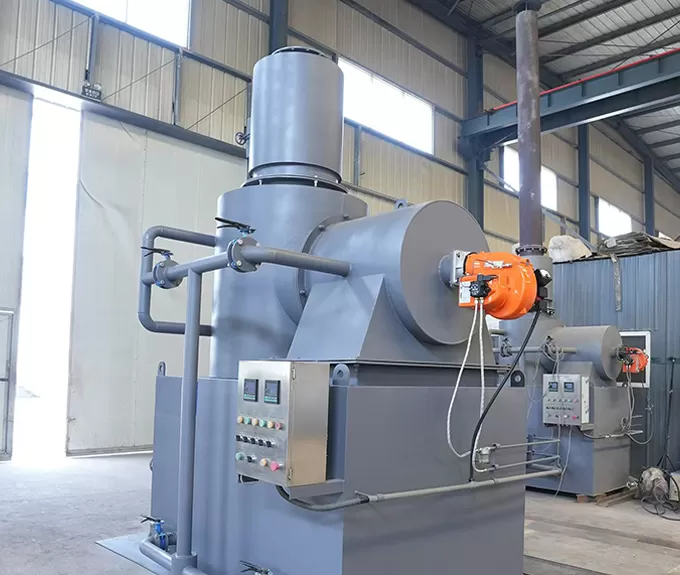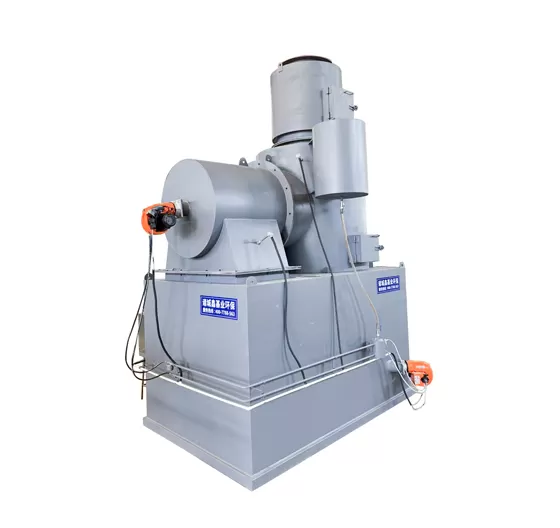
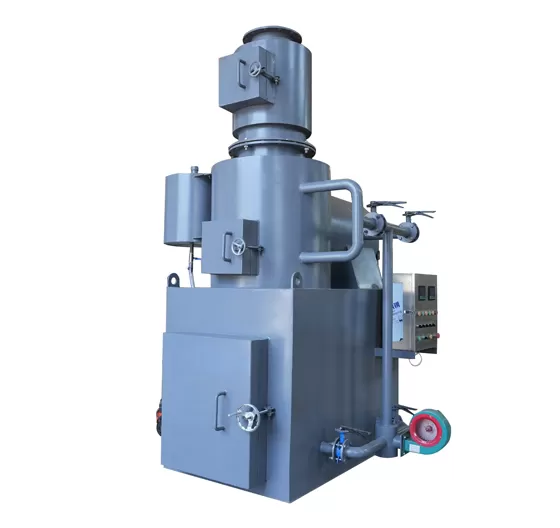
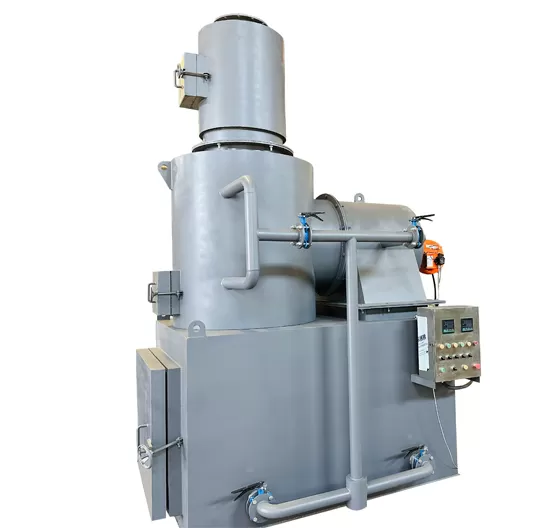

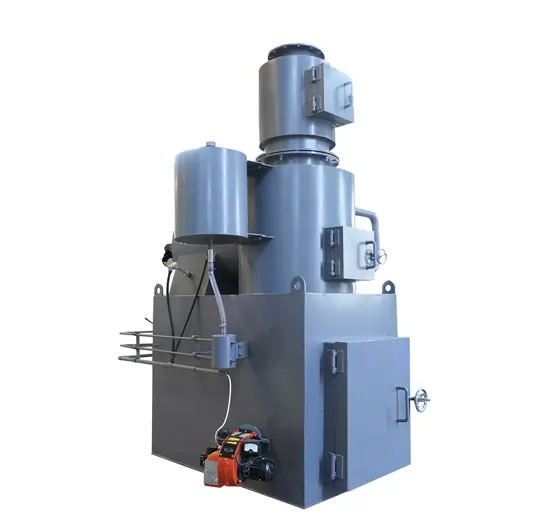
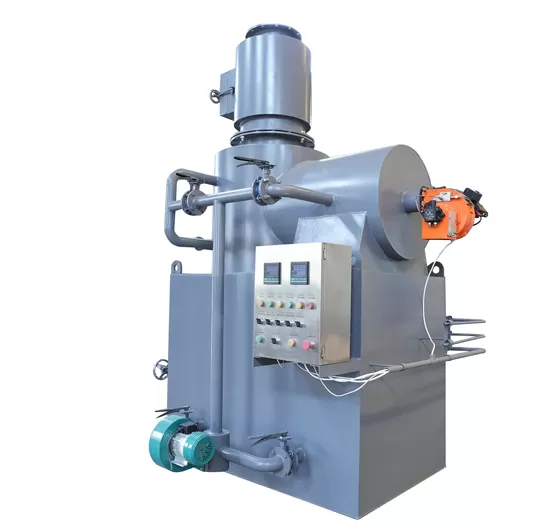
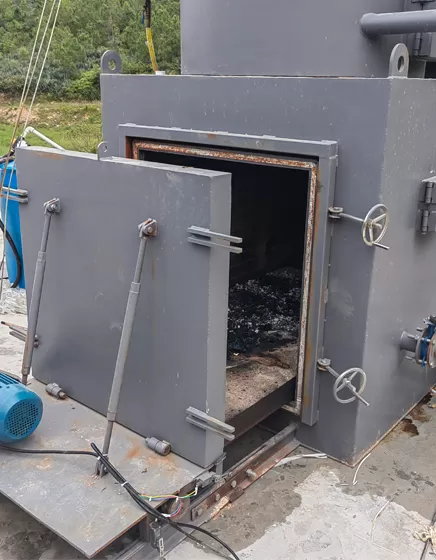
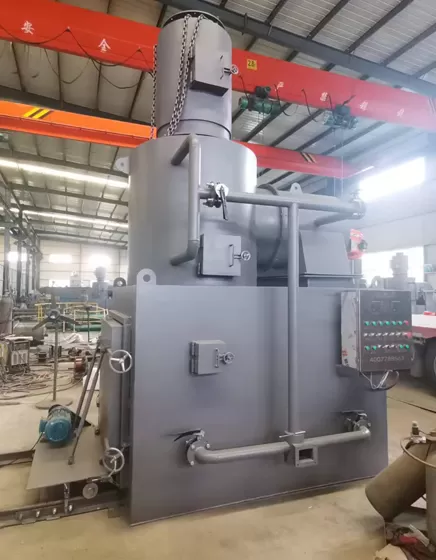
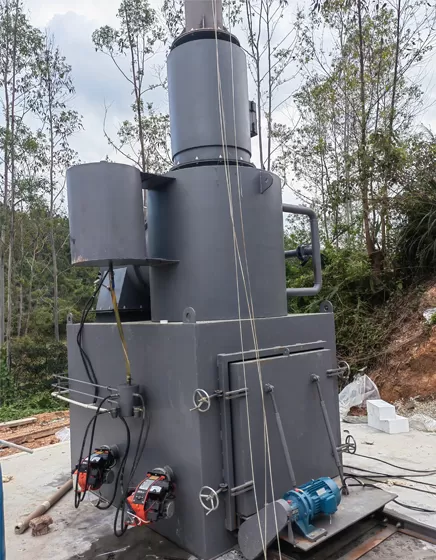
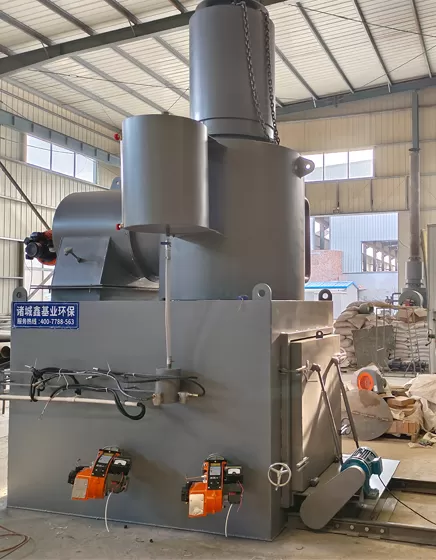
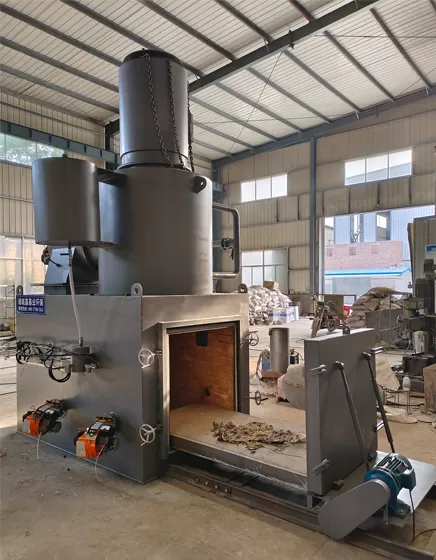
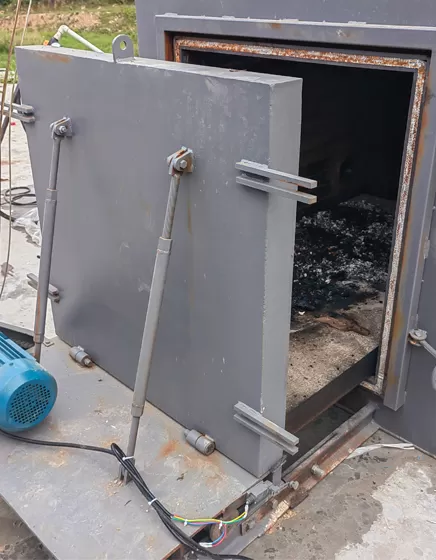
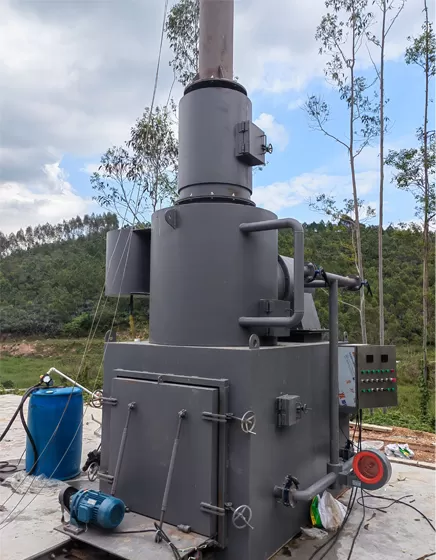
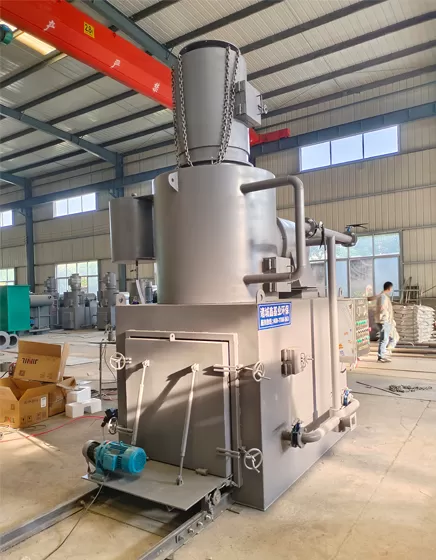
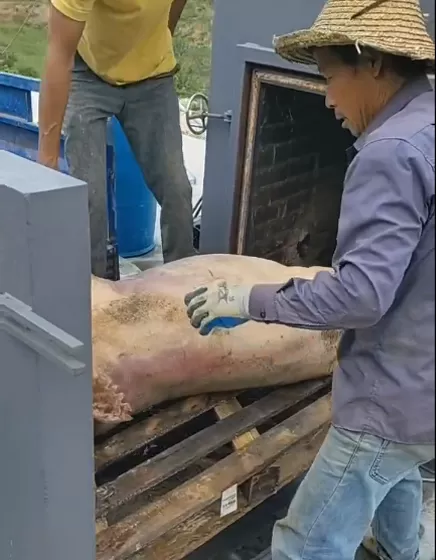
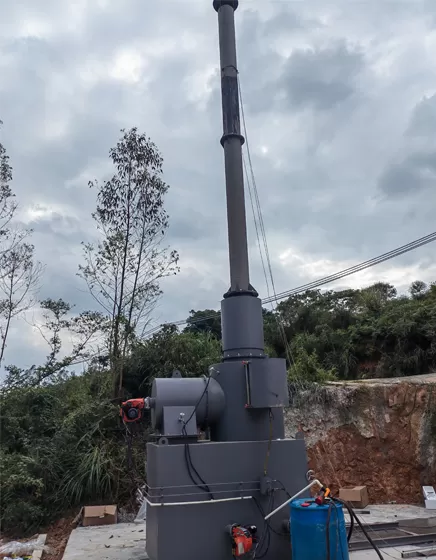
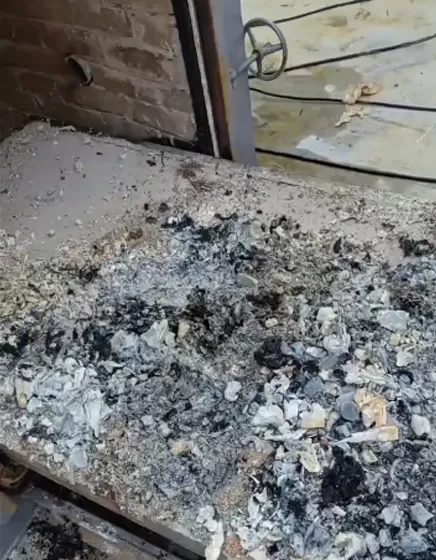
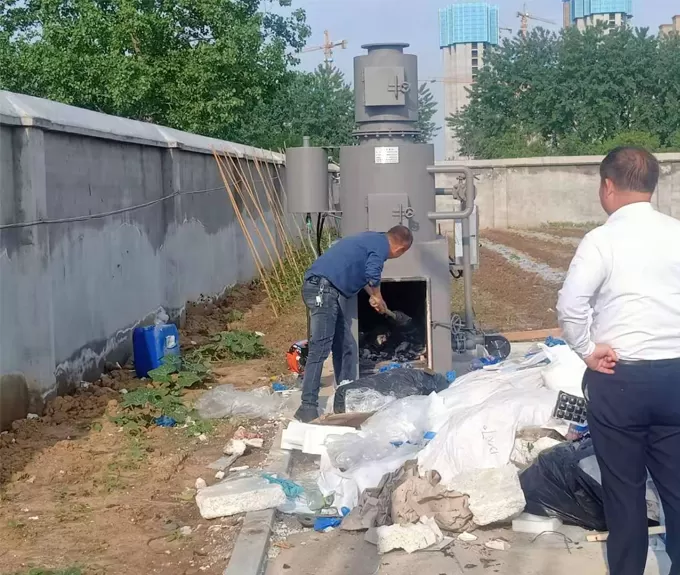
An incinerator for animal disposal is a specialized facility designed to safely and efficiently dispose of animal remains and associated waste materials through high-temperature combustion. This animal carcass/waste incinerator is crucial for maintaining biosecurity, preventing the spread of diseases, and protecting the environment. Here are some features of our incinerator for animal disposal:
High-Temperature Combustion
Incinerators for animal disposal operate at extremely high temperatures, typically ranging from 850°C to 1,200°C (1,562°F to 2,192°F). These temperatures ensure the complete combustion of animal remains, reducing them to inert ash and neutralizing pathogens and harmful microorganisms. For example, to effectively render Transmissible Spongiform Encephalopathy (TSE) agents noninfectious, materials must be subjected to at least 850°C for 15 minutes, with a higher temperature of 1,000°C being preferable.
Biosecurity and Pathogen Elimination
The intense heat used in incineration destroys harmful pathogens, viruses, and bacteria present in animal waste. This process significantly reduces the risk of disease transmission, making the animal carcass/waste incinerator a vital tool for maintaining biosecurity in farms, veterinary clinics, and other facilities handling animal remains.
Environmental Protection
Modern animal carcass/waste incinerators are equipped with advanced emission control systems, such as scrubbers and filters, to capture and neutralize harmful pollutants. These systems ensure that animal carcass/waste incinerators comply with strict environmental regulations and minimize their impact on air quality. Additionally, the animal carcass/waste incinerator reduces the potential for environmental contamination from waste runoff, protecting water sources and soil.
Volume Reduction and Waste Management
The animal carcass/waste incinerator significantly reduces the volume and weight of animal waste, decreasing storage requirements and transportation costs. This is particularly beneficial for large-scale operations such as farms and slaughterhouses.