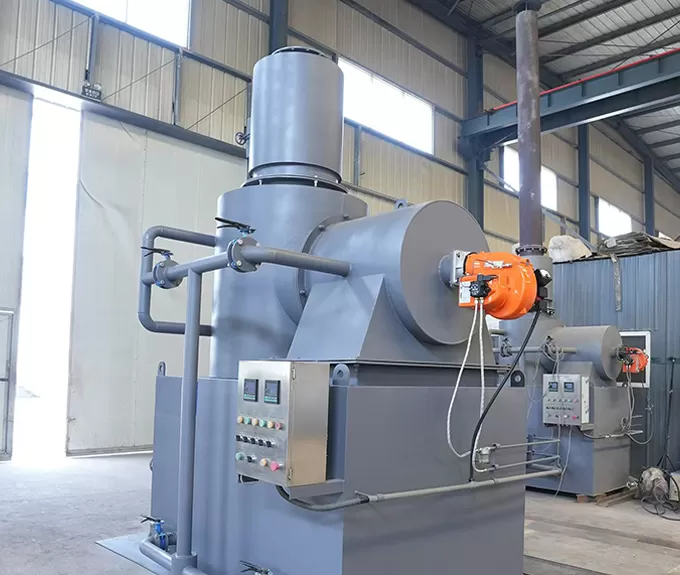
How to Choose the Right Small‑Scale Medical Waste Incinerator Capacity for Your Clinic or Health Facility

Table of Content [Hide]

    Selecting the correct hourly capacity is the most critical first step before purchasing a small‑scale medical waste incinerator. Many overseas buyers running rural clinics, outpatient centers and small hospitals often fall into two expensive pitfalls: buying an undersized incinerator that cannot dispose of all daily infectious waste in time, or over‑investing in an oversized unit with excessive fuel consumption and upfront costs far above their actual requirements.


    This SEO buying guide will teach you how to calculate your true daily medical waste output, match it with our compact XJY small medical incinerator lineup, and plan ahead for future growth of your medical site.
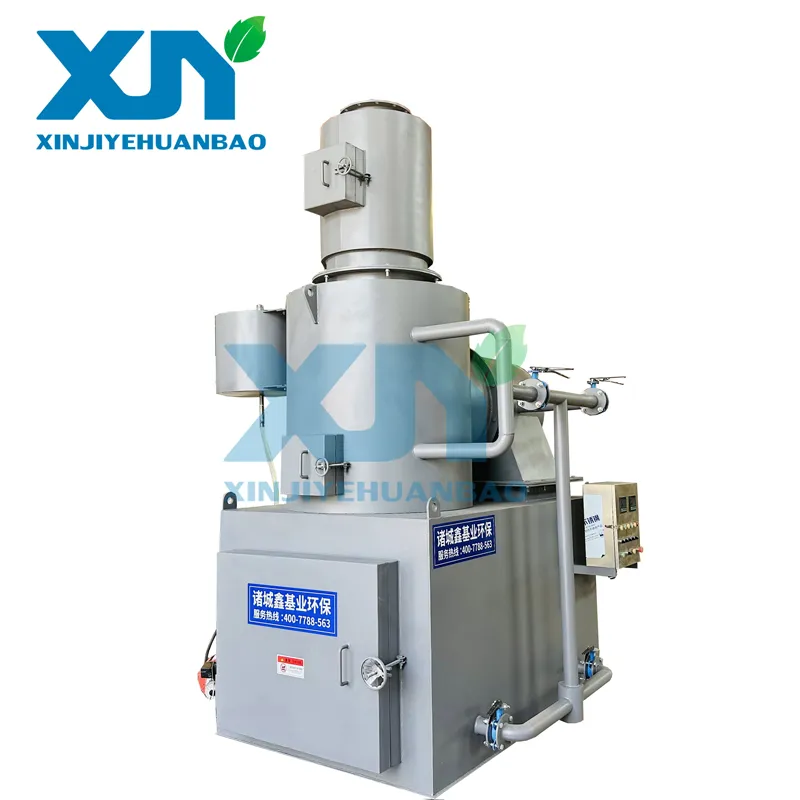

    How to Choose the Right Medical Waste Incinerator Capacity


    1. Step 1: Calculate your total daily infectious medical waste

    Before requesting any quotation, tally all your daily hazardous medical waste, including:
    • Used syringes, needles and sharp waste containers

    • Contaminated gauze, bandages, wound dressings

    • Disposable contaminated gloves, gowns, medical masks

    • Expired pharmaceuticals, discarded single‑use medical supplies


    Standard daily waste reference for grassroots medical sites

    • Village health post/small outpatient clinic: 15‑30 kg per day

    • Community‑level medium clinic: 30‑50 kg per day

    • Small private hospital (10‑30 inpatient beds): 50‑100 kg per day


    Key rule: Always add a 20‑30% safety margin to your current waste volume. Patient numbers surge during flu seasons and local outbreaks, and your incinerator must handle sudden spikes of infectious waste without backup stockpiling.
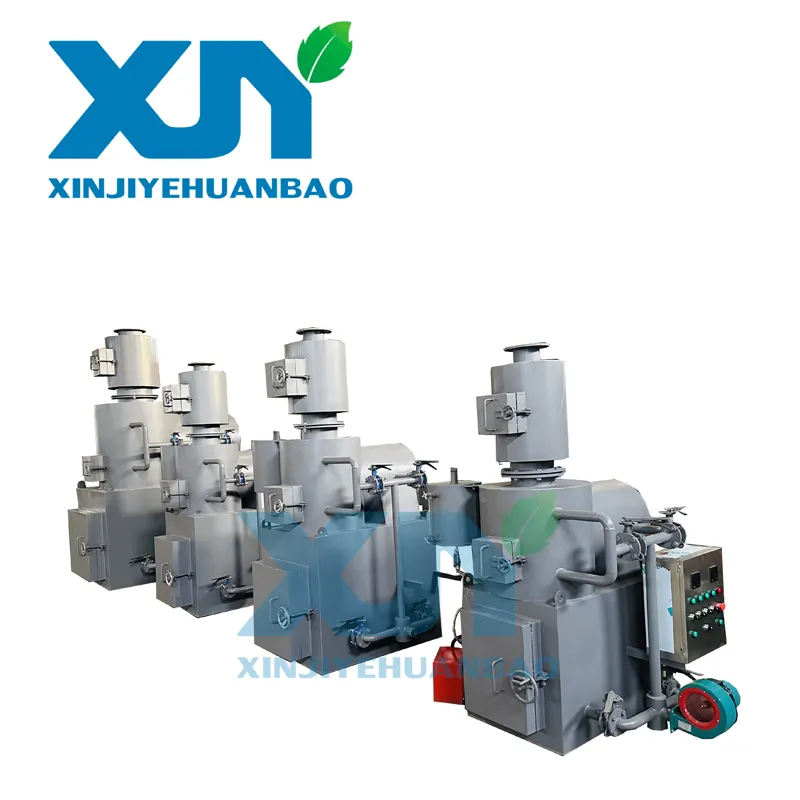

    2. Match your waste volume with XJY Small‑Scale Medical Incinerator Models

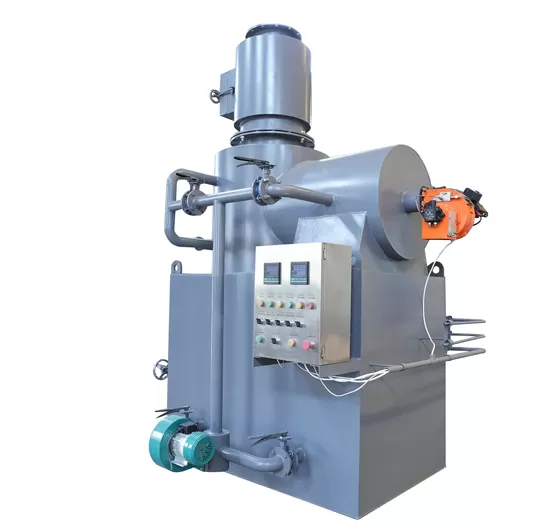
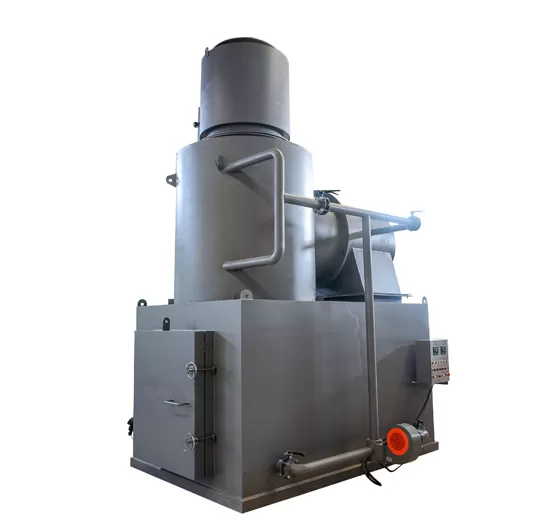
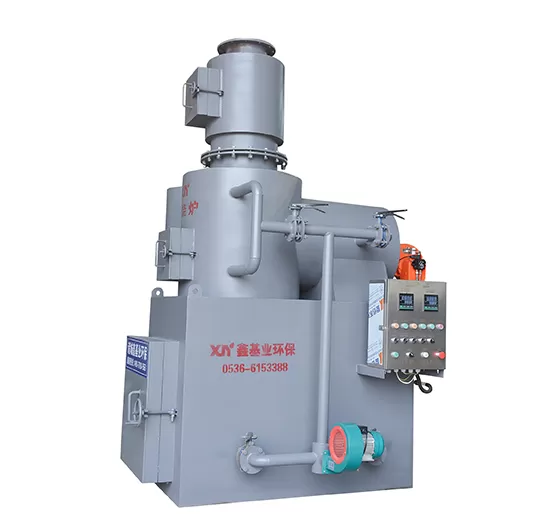
    Our XJY compact series is purpose‑built for remote grassroots medical facilities, with standardized hourly burning throughput:
    1. XJY‑30|30kg/hour Small Medical Incinerator
      Best suited for village health stations & tiny outpatient clinics generating 15‑30kg daily medical waste.
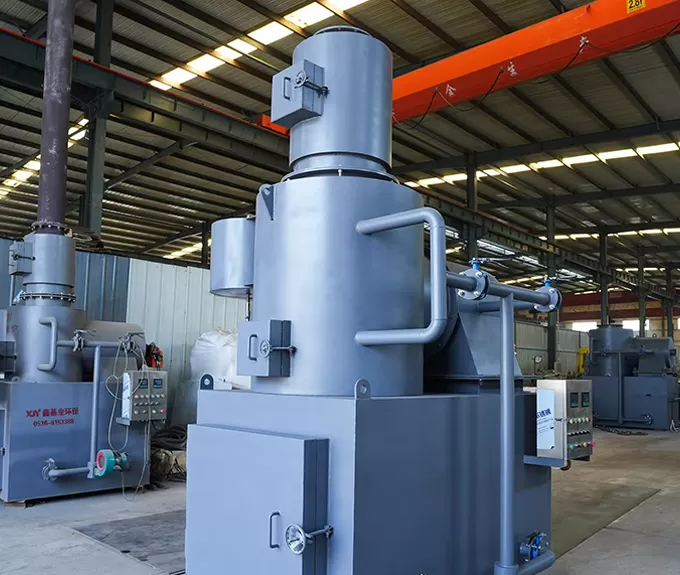
      It can fully process one day's infectious waste within 1‑2 hours of daily operation. This is our popular model for remote African rural clinics, including our completed project in Namibia.
    2. XJY‑50|50kg/hour Small Medical Incinerator
      Our top‑selling unit for community clinics with 30‑50kg daily waste. Most of our Southeast Asia & East‑African clinic customers select this reliable mid‑size compact model.
    3. XJY‑100|100kg/hour Small‑Medium Medical Incinerator
      Built for small private hospitals producing 50‑100kg daily medical waste, reinforced heavy‑duty refractory lining for longer daily operating cycles.


    How to Choose the Right Medical Waste Incinerator Capacity


    3. Costly Capacity Mistakes Most Buyers Make

    Mistake #1: Buying an undersized incinerator

    If hourly throughput is too low, infectious waste piles up day‑by‑day. This raises major cross‑infection hazards, breaks local public‑health environmental regulations, and accelerates furnace wear from non‑stop prolonged burning.


    Mistake #2: Blindly purchasing an oversized incinerator

    Larger models come with higher purchase prices and much higher daily diesel fuel costs. If your daily waste only hits 25kg, a 100kg/h incinerator will burn extra fuel every single month with zero operational benefit, inflating your long‑term running budget.


    Mistake #3: Ignoring future site expansion

    Your clinic may expand services within 2‑3 years. We recommend adding a moderate safety buffer, but avoid doubling capacity unnecessarily. Our technical team can balance your present‑day waste needs together with future growth projections.
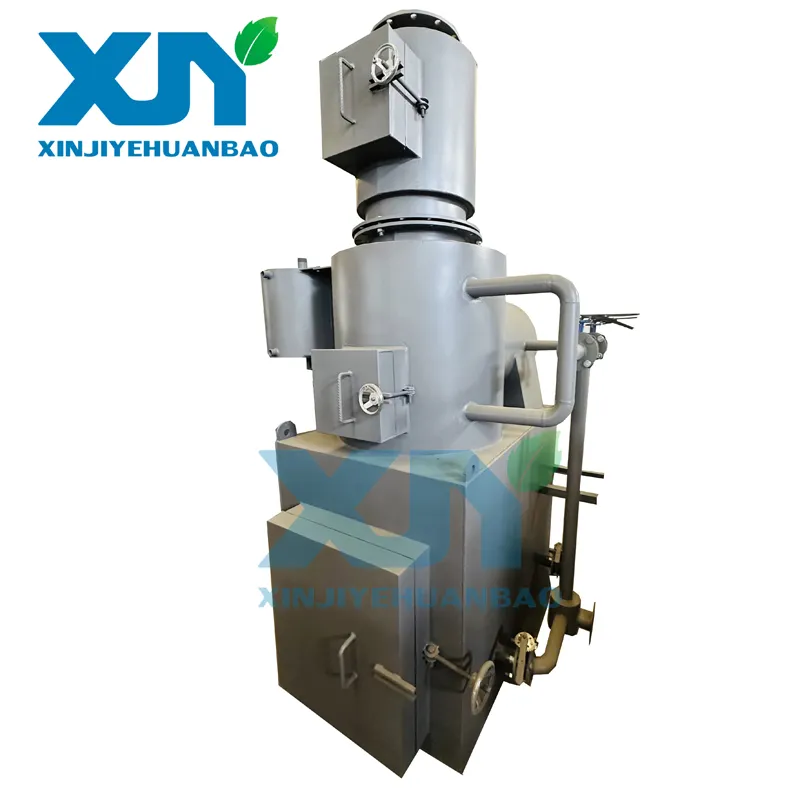

    4. Extra Factors That Impact Capacity Selection

    1. Daily operating hours
      Most small clinics only run the incinerator for 1‑3 hours after closing time. Confirm how many hours per day you are able to operate the unit.
    2. Moisture content in waste
      Wet, fluid‑soaked dressings burn slower than dry medical waste. Facilities producing lots of wet waste should lean toward the next‑size‑up model.
    3. Local government environmental rules
      Many countries enforce strict rules requiring all infectious medical waste to be fully incinerated the same day it is generated, with no overnight storage permitted. This regulation directly pushes you to select sufficient hourly capacity.


    How to Choose the Right Medical Waste Incinerator Capacity


    5. Quick Checklist Before You Finalize Capacity

    • Count your average daily kg of infectious medical waste

    • Add 20‑30% safety margin for seasonal waste increases

    • Check local rules if same‑day disposal is mandatory

    • Estimate daily available running hours for the incinerator

    • Share all these details with our team for a free model recommendation


    Send us your daily waste weight and country location, and we will recommend the most suitable XJY small medical incinerator model with a transparent FOB quotation within 24 hours.
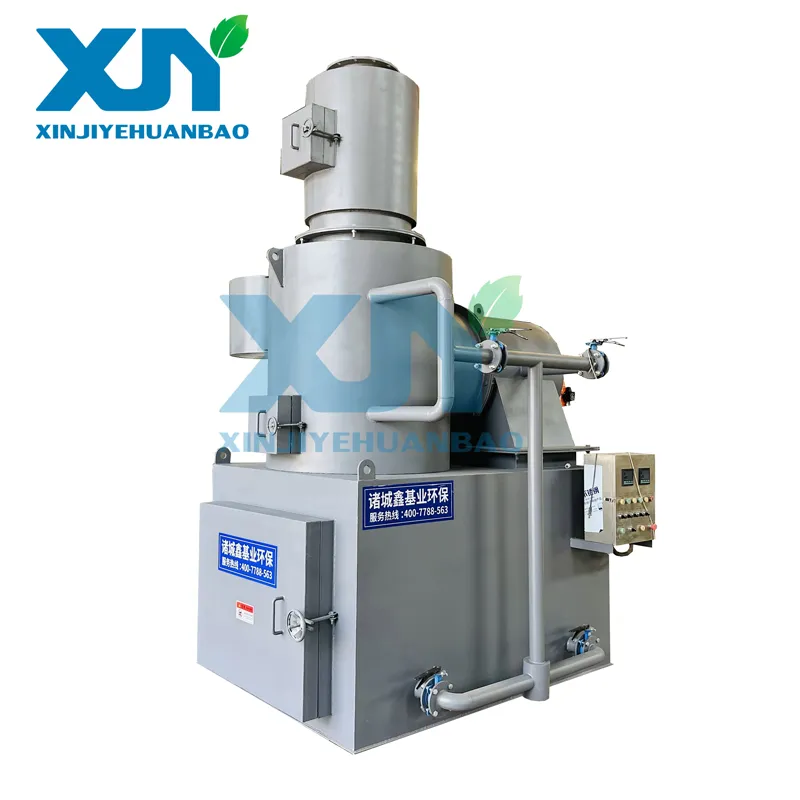
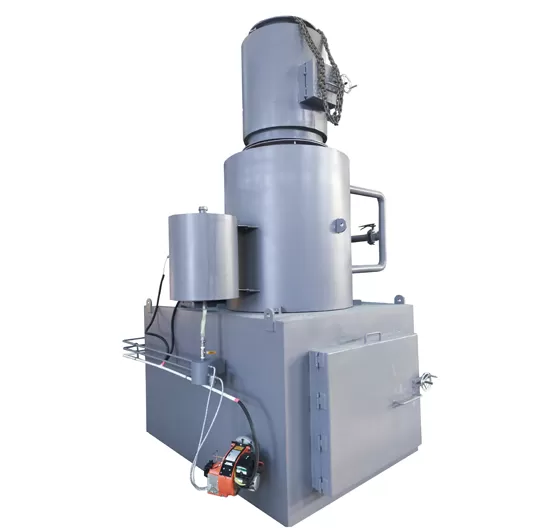
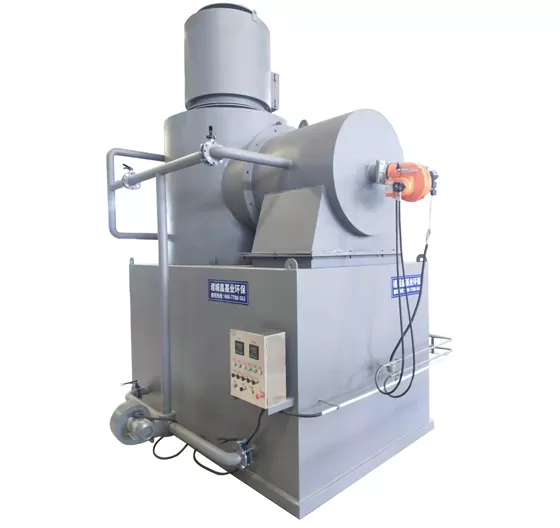
    How to Choose the Right Medical Waste Incinerator Capacity

    Conclusion

    Choosing the right small‑scale medical waste incinerator capacity is about balancing upfront cost, daily fuel expense, regulatory compliance and safety. Avoid purely price‑driven decisions; match the machine size to your real‑world waste volume.
    With dozens of delivered compact medical incinerator projects across Africa, Southeast Asia and Central Asia, our XJY series is tailored specifically for small medical sites. Reach out today for a customized model suggestion.
    References


    Contact
    +86 15914354624 Steffyye68@gmail.com +8615914354624
    West of Xiaozhuangzi, Longdu Street, Zhucheng City, Weifang City, Shandong Province
    West of Xiaozhuangzi, Longdu Street, Zhucheng City, Weifang City, Shandong Province
    Steffyye68@gmail.com +86 15914354624 +8615914354624