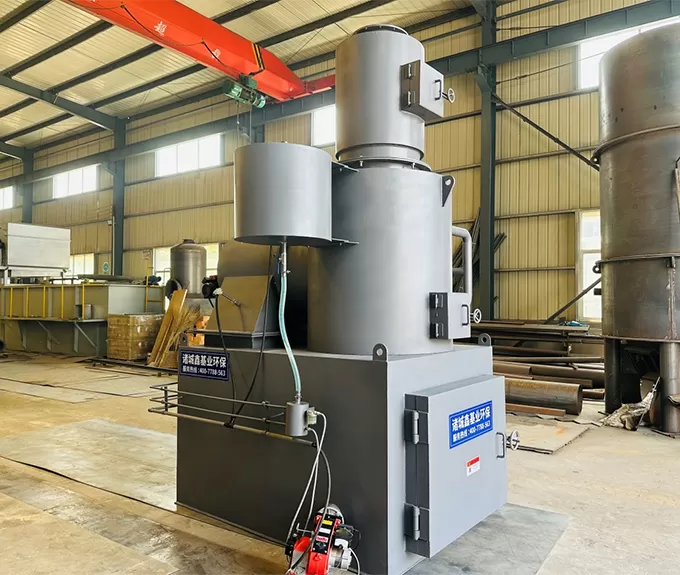
This guide breaks down core differences, pros and cons, and helps you decide which option suits your clinic, rural health post or small hospital.
Autoclave
An autoclave uses high‑pressure hot steam (around 121°C) to kill bacteria, viruses and pathogens inside medical waste.
Important point: It only sterilizes the waste — it does NOT destroy the waste itself.
After autoclave processing, items like syringes, gauze and gloves are still physically present. Sterilized waste still needs to be hauled away as general solid garbage by a waste collection service.
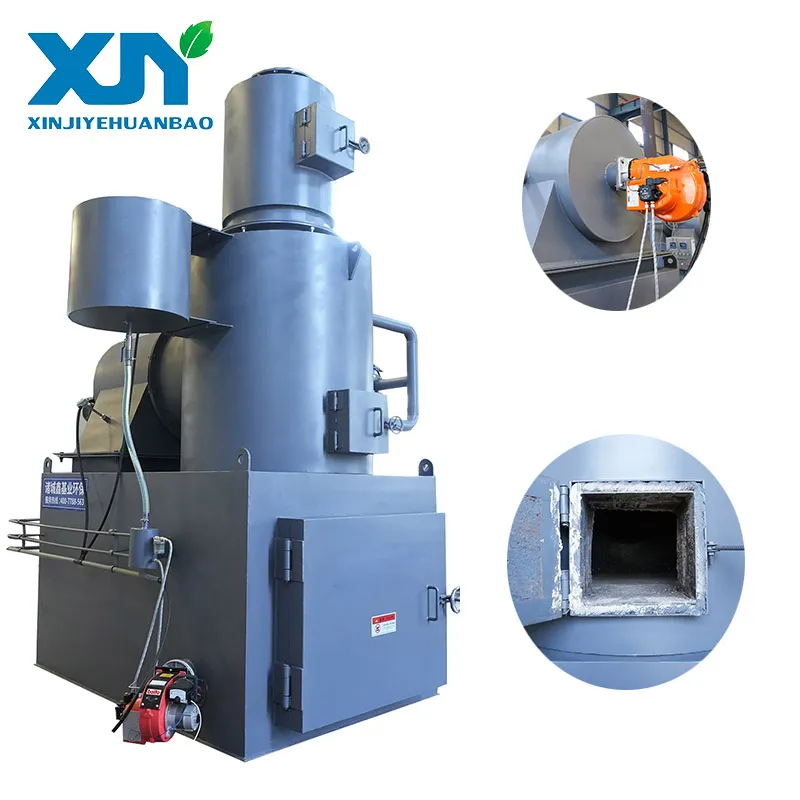
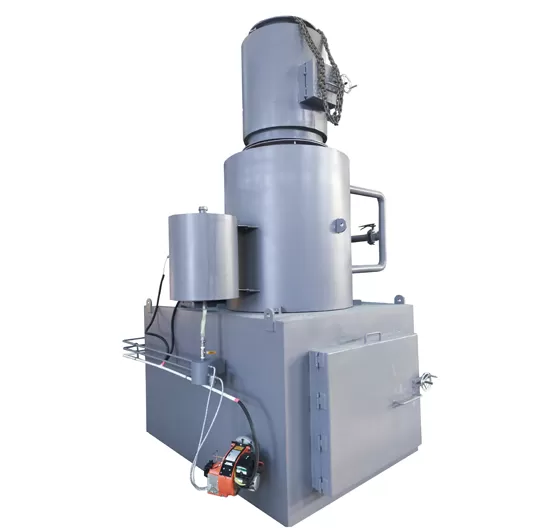
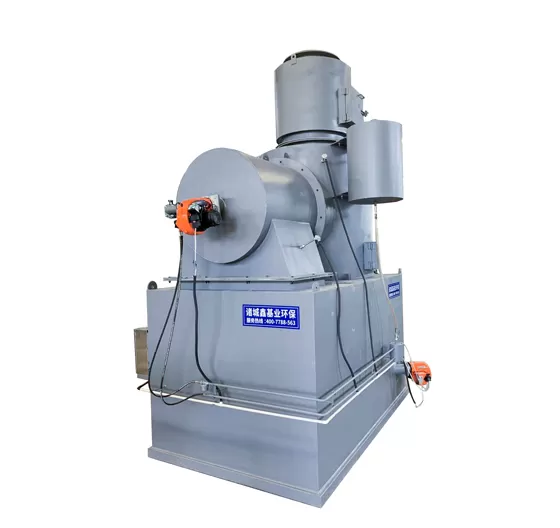
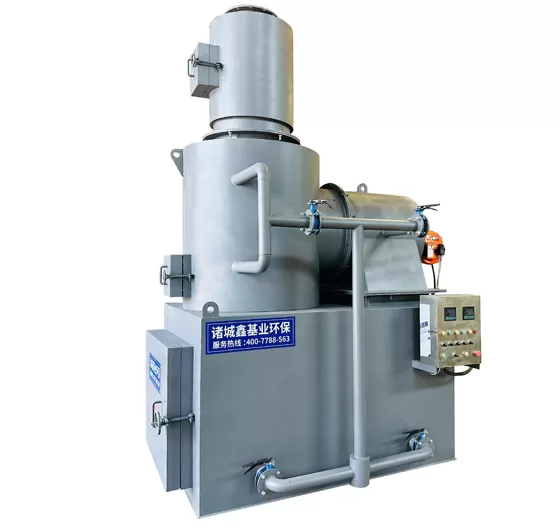
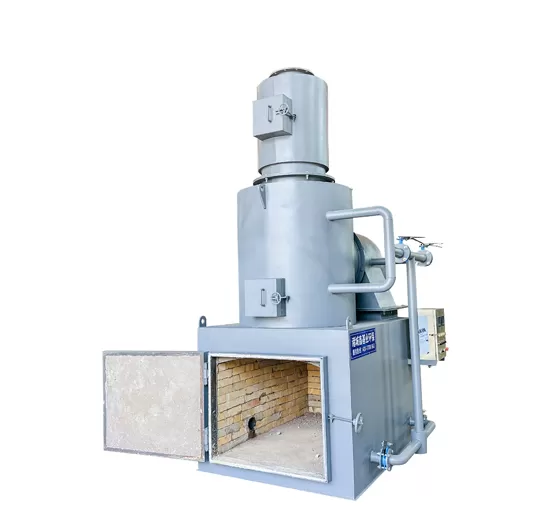
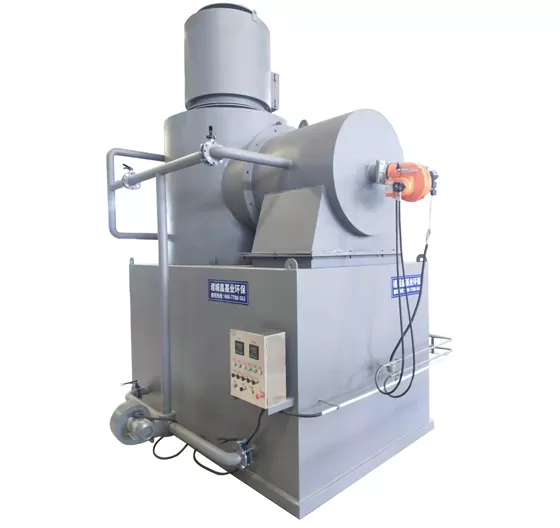
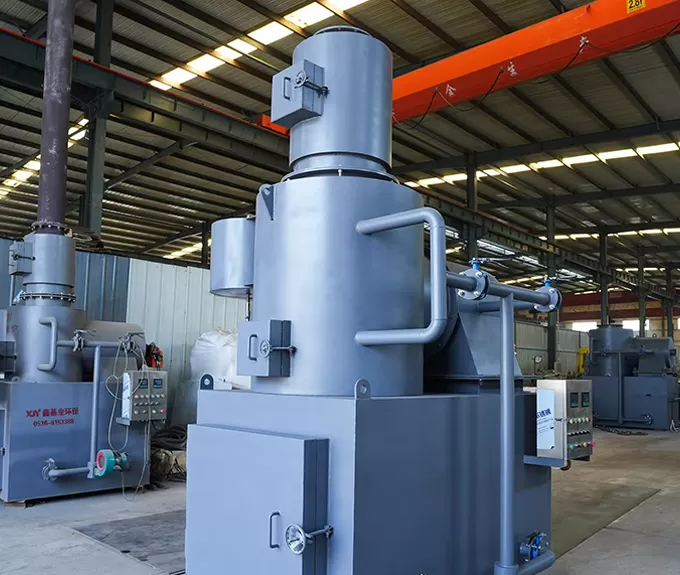
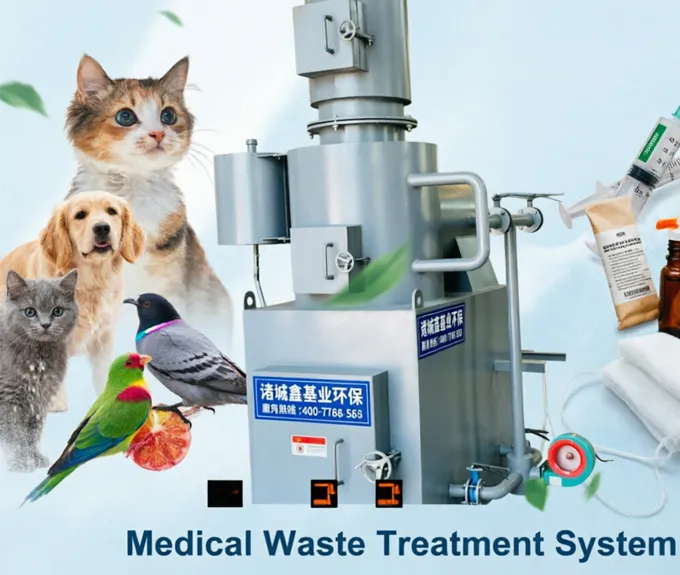
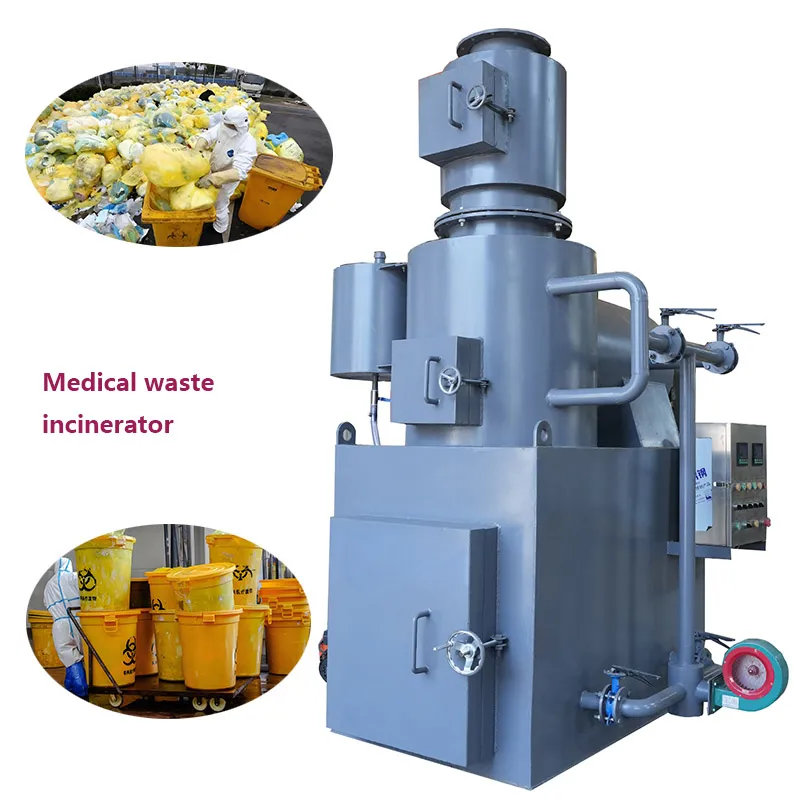
Small‑Scale Medical Waste Incinerator (XJY Series)
No further waste pickup service is required after incineration.
Autoclave
No diesel fuel needed; runs mainly on electricity
Lower initial purchase price compared to a full‑set incinerator with flue‑gas treatment
No open flame, so some sites consider fire risk lower
Disadvantages
Waste still exists after sterilization. You still need a regular waste collection contractor to take it away. If pickup is delayed, waste piles up again.
Cannot destroy sharp needles and syringes; sterilized sharps still pose stick‑injury risks to waste workers.
Large water consumption for steam generation. Poor water‑supply rural locations struggle to run autoclaves reliably.
Many countries classify autoclaved material as treated medical waste, which still requires regulated disposal documentation.
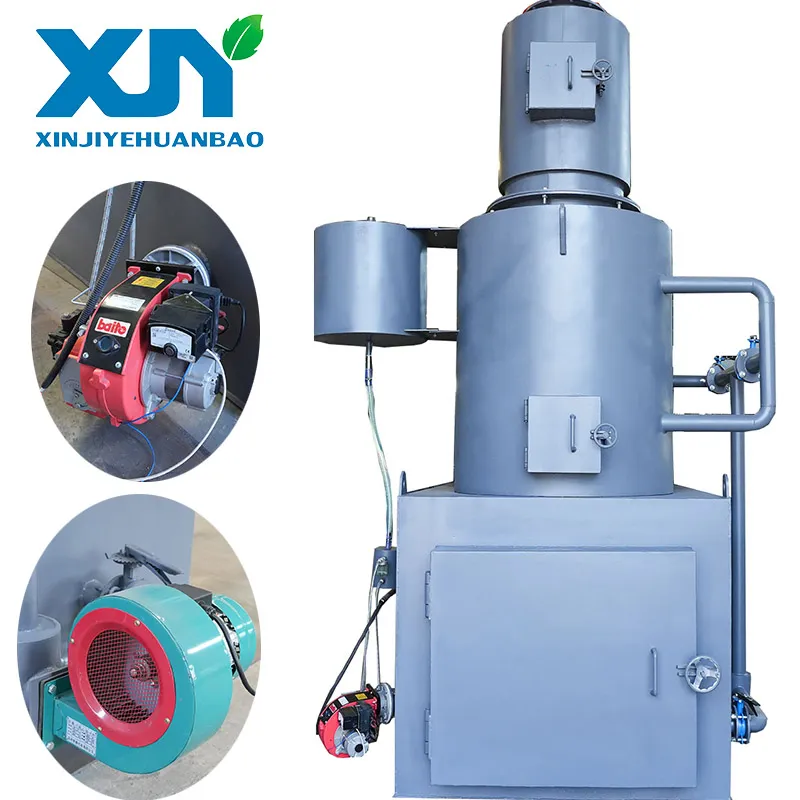
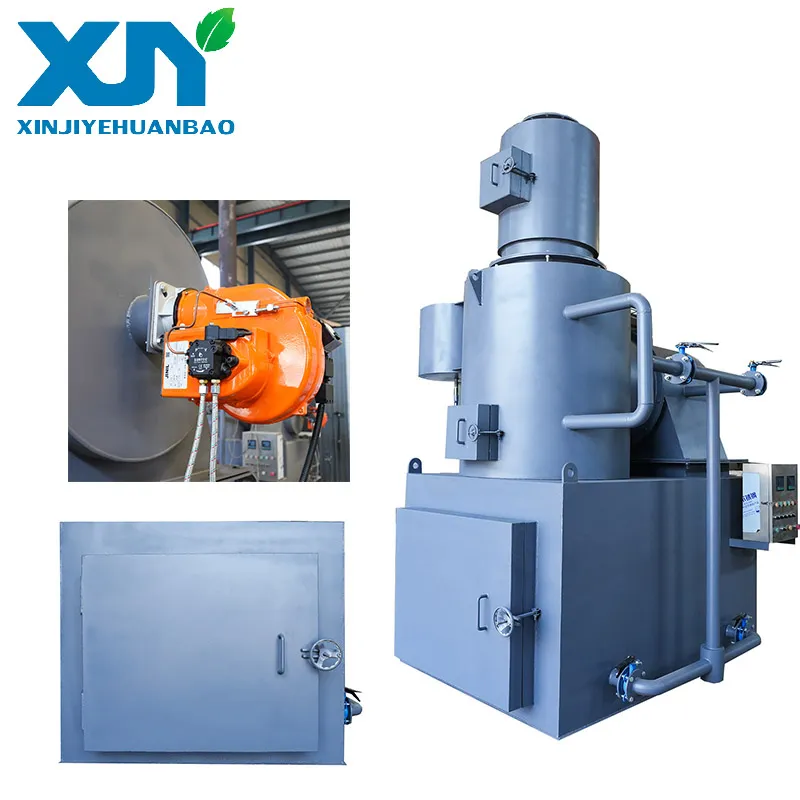
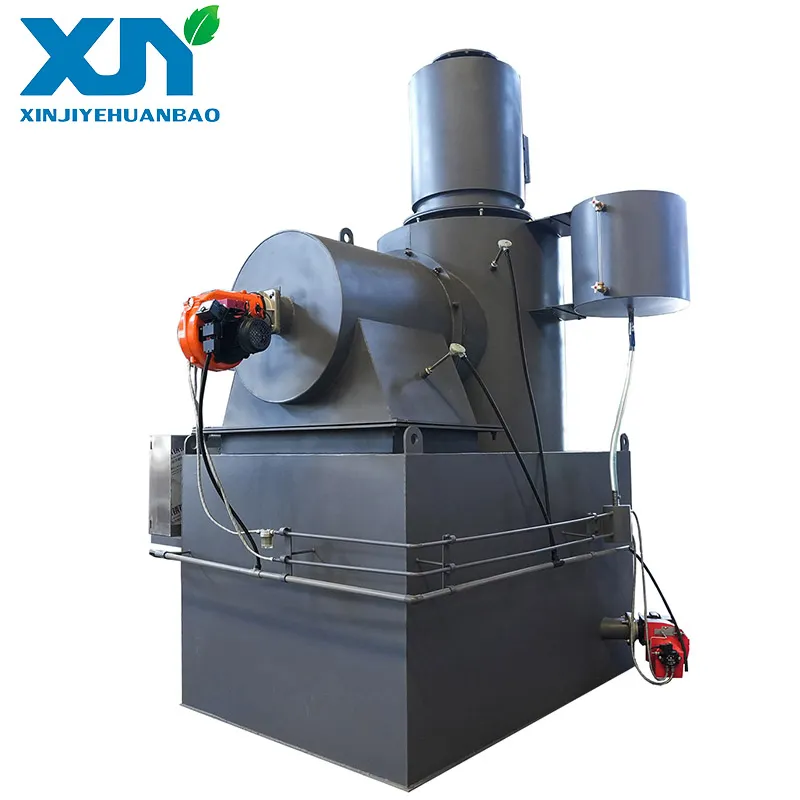
XJY Small Medical Waste Incinerator
Full onsite destruction: Infectious waste is burned completely into ash, eliminating cross‑infection risks from later transport.
No reliance on third‑party waste collection companies. Critical for remote villages with no regular waste pickup.
Handles all types of medical waste: sharps, dressings, contaminated plastics, even expired medicines that autoclaves cannot fully neutralize.
Final ash volume is reduced by over 90%, very easy to discard locally.
Disadvantages
Requires diesel fuel for burning; ongoing fuel cost is part of daily operation
Needs basic ventilation space for flue‑gas treatment system
Choose Autoclave if:
You are located in a city with reliable weekly waste collection trucks
You only have low‑risk infectious waste (mostly gauze, dressings, few sharp needles)
Stable water supply and power are available every single day
Local laws accept autoclave‑treated waste for regular landfill pickup
Your clinic is in remote rural areas, with NO regular hazardous waste collection service
You generate large volumes of sharp waste (syringes, needles)
Local regulations require complete destruction of medical waste, not only sterilization
You want to eliminate infection risks during waste transportation entirely
Most of our Africa, Central Asia rural clinic clients choose the XJY small incinerator for these exact reasons.
Misconception: “Autoclave can replace an incinerator and solve all my medical waste problems.”
Reality: Autoclave is only a sterilization step. It does NOT get rid of the waste. If your region lacks waste hauling services, the sterilized garbage will still stack up on your clinic premises.
Misconception: “Incinerators produce heavy black smoke and cause pollution.”
Reality: Our complete XJY small incinerator unit comes with full flue‑gas treatment system. Smoke and harmful emissions are treated before release, complying with international environmental standards. Single‑chamber cheap incinerators do have smoke issues — our dual‑chamber design avoids this problem.
Do you have consistent third‑party medical waste collection every week?
Is your facility in a remote location with limited water supply?
How many sharp needles & syringes do you generate daily?
What does your local government require: sterilization OR full destruction of medical waste?
Share your answers and your country with our team. We will advise whether an autoclave or XJY small‑scale medical waste incinerator is the better long‑term investment for your medical site, with a transparent quotation.